
Tired of watching your rental properties sit vacant while you scramble to clean up after departing tenants? Discover how Vancouver property managers are cutting turnover times in half with strategic cleanup processes that get units rented faster and maximize your bottom line. Property management in Vancouver’s competitive rental market demands lightning-fast unit turnovers to minimize vacancy costs and maintain steady cash flow. When tenants move out, every day your property sits empty represents lost revenue that directly impacts your profitability. The average tenant turnover rate in Vancouver was 8.1% in 2023, meaning property managers must efficiently handle dozens of unit transitions annually while managing costs that can range from $1,000 to $5,000 per turnover. Smart property managers have discovered that streamlined cleanup processes, professional junk removal services, and systematic preparation strategies dramatically reduce vacancy periods and position their properties ahead of the competition.  The financial stakes of efficient turnover management cannot be overstated. Beyond obvious lost rental income, each vacant day accumulates marketing expenses, cleaning costs, repair bills, and administrative overhead that quickly erode profit margins. Vancouver property managers who master the complete turnover process—from initial move-out inspections through final tenant placement—consistently outperform competitors by minimizing vacancy periods and attracting quality tenants willing to pay premium rents for well-maintained properties.
Key Outtakes:
- Vancouver rental turnover costs average $2,500 per unit, making efficient cleanup processes essential for maintaining profitability
- Professional junk removal services can reduce turnover times by up to 50% compared to DIY cleanup approaches
- Systematic cleaning checklists ensure consistent property presentation and prevent costly re-cleaning delays
- Strategic staging and professional photography can increase tenant inquiries by up to 40% and justify premium rental rates
- Proactive scheduling of vendors and services during notice periods minimizes vacancy duration and accelerates unit preparation

Understanding Vancouver’s Rental Turnover Challenges
The Vancouver rental market presents unique obstacles that make efficient turnover management both more challenging and more critical than in other Canadian cities. While Vancouver’s 8.1% turnover rate appears manageable compared to the national average of 12.5%, the true cost of each transition extends far beyond simple vacancy periods. Property managers must navigate British Columbia’s specific regulatory requirements while competing in one of Canada’s most expensive rental markets, where delayed turnovers can cost thousands in lost revenue. Each turnover event initiates a cascade of expenses that accumulate rapidly throughout the transition period. Revenue loss represents the most immediate impact—every vacant day forces property owners to cover full mortgage payments regardless of occupancy status. Marketing expenses compound these losses, including listing fees across multiple platforms, professional photography costs, and time spent conducting property showings. Preparation expenses such as professional cleaning, painting, and necessary repairs can quickly strain budgets, with industry data suggesting typical turnover costs between $1,000 and $5,000 per unit. The human resource challenge adds another layer of complexity to turnover management. Many property management companies previously assigned cleanup responsibilities to maintenance staff, but labor shortages have made this approach increasingly impractical. Maintenance teams handling 300 units with skeleton crews simply cannot dedicate days to comprehensive junk removal and debris disposal while maintaining current tenant satisfaction. This resource constraint forces property managers to seek external solutions that expedite the cleanup process without compromising quality standards.
Professional Junk Removal Services Transform Turnover Efficiency
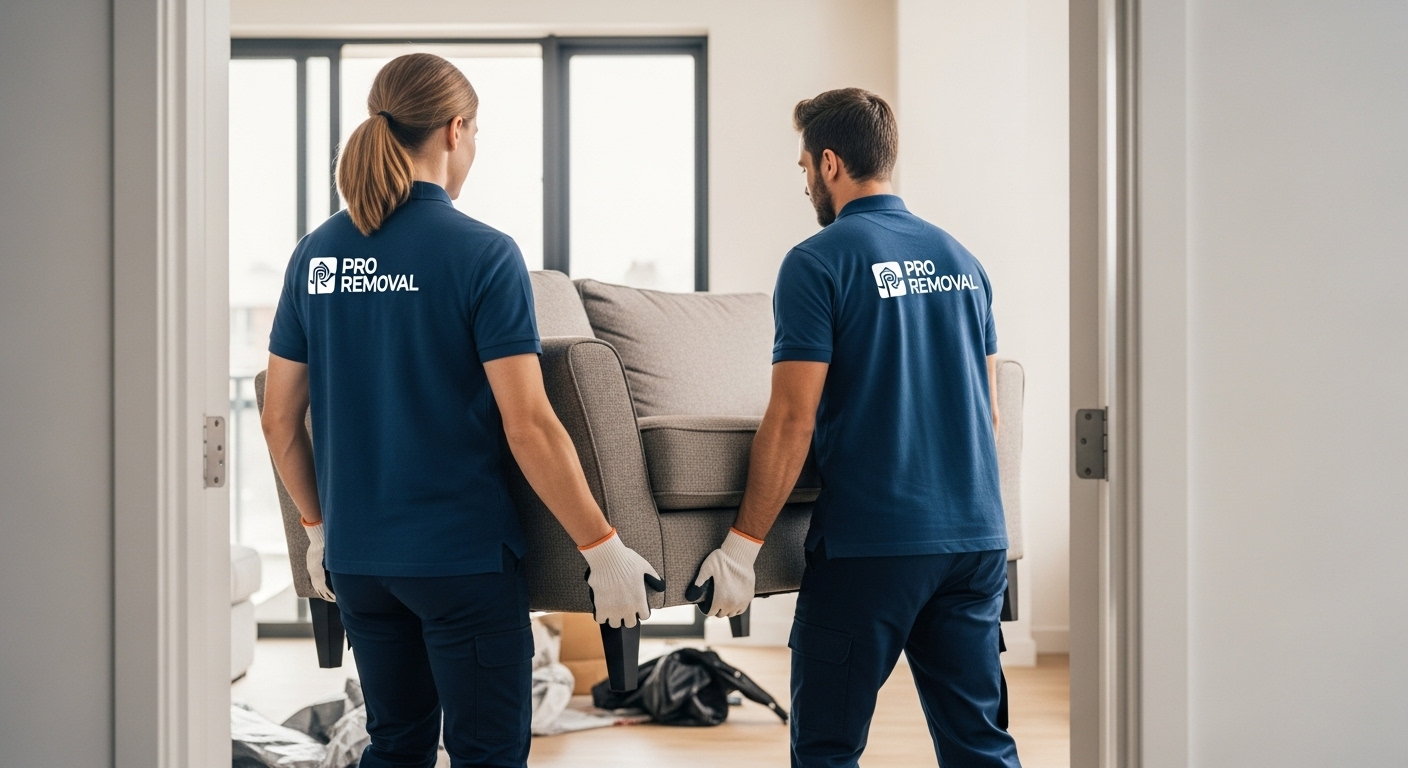 After years of managing turnover cleanups with internal staff, forward-thinking Vancouver property managers have discovered that professional junk removal services represent the single most impactful investment for accelerating unit preparation. These specialized companies eliminate the labor-intensive aspects of cleanup that traditionally consumed maintenance resources for days at a time. When tenants depart leaving furniture, appliances, and accumulated debris behind, professional services arrive with trained crews, proper equipment, and systematic approaches that clear units completely within hours rather than days. Professional junk removal provides far more than simple debris collection—it delivers comprehensive documentation that protects property managers from legal complications. These services create detailed inventory lists of items removed from apartments, eliminating disputes with former tenants claiming lost property. In eviction situations, many companies help transfer tenant belongings to secure on-site locations rather than leaving items on sidewalks, providing dignity for departing tenants while addressing neighborhood concerns about property appearance. The time savings translate directly to reduced vacancy costs that justify professional service expenses. Companies typically arrive and remove all furniture and debris, leaving properties broom-clean so maintenance teams can immediately begin repairs and improvements rather than spending days on debris disposal. This efficiency allows property managers to compress turnover timelines from weeks to days, dramatically reducing the financial impact of vacancy periods. With rental properties generating substantial monthly income, even modest reductions in vacancy duration provide returns that far exceed disposal service costs. Professional services also handle the complex logistics of responsible disposal that individual property managers struggle to coordinate independently. These companies understand recycling requirements, donation opportunities for usable items, and proper disposal methods for different material types. Many prioritize environmental responsibility by diverting usable furniture and appliances to local charities rather than landfills, supporting community organizations while meeting sustainability goals that appeal to environmentally conscious tenants.
Systematic Cleaning Protocols That Deliver Consistent Results
 The foundation of efficient property turnover management lies in implementing comprehensive cleaning protocols that ensure consistent quality while minimizing time investment. Professional property managers recognize that detailed cleaning checklists transform potentially chaotic processes into systematic operations that deliver exceptional results every single time. Without structured approaches, it becomes all too easy for critical tasks to slip through cracks, resulting in rushed work that disappoints incoming tenants and delays lease commencement. Comprehensive cleaning checklists address every aspect of rental properties on a room-by-room basis, making the process logical and efficient rather than haphazard. In kitchens, these protocols ensure thorough attention to flooring, cabinet interiors and exteriors, microwave surfaces, dishwasher components, refrigerator compartments, stove and oven areas, countertops, sinks, and garbage disposals. Bathroom cleaning requires equal diligence, with systematic attention to toilets, flooring, vanities, sinks, cabinets, bathtubs, showers, and surrounding areas that accumulate moisture and require specialized cleaning products. Throughout properties, general cleaning requirements include removing all personal items and debris, vacuuming and mopping all flooring surfaces, cleaning windows and tracks, wiping down walls and baseboards, dusting surfaces and fixtures, and replacing burned-out light bulbs. These systematic approaches ensure properties present in optimal condition for incoming tenants, creating positive first impressions that influence satisfaction and retention throughout occupancy periods. Professional cleaners possess equipment and expertise to complete tasks quickly and thoroughly, avoiding the subpar results that often plague DIY attempts. The investment in professional cleaning services pays dividends through improved tenant acquisition and retention rates. Properties that showcase exceptional cleanliness attract more prospective renters and command premium rental rates in competitive markets. Well-maintained properties also photograph better for online listings, generating eye-catching images that drive inquiry volume and reduce marketing time. Most importantly, thorough cleaning the first time eliminates the expense and frustration of returning for additional work when initial efforts prove inadequate.
Move-Out Inspections and Damage Documentation
Before any cleanup activities commence, successful Vancouver property managers conduct thorough move-out inspections that establish baseline property conditions and document tenant-caused damage beyond normal wear and tear. These detailed assessments serve as the foundation for all subsequent turnover decisions, from security deposit deductions to repair prioritization. Professional inspections protect both landlords and departing tenants by providing objective documentation of property conditions at the moment of vacancy. Move-out inspections ideally involve both property managers and departing tenants to ensure transparency and allow open discussion about identified issues. This collaborative approach protects landlord investments by clearly documenting property states while ensuring fairness for tenants by demonstrating that damage assessments represent genuine tenant-caused issues rather than normal deterioration. Property managers should reference previous inspection reports and move-in documentation to compare current conditions with documented baselines, ensuring only tenant-caused damage receives assessment rather than pre-existing wear. Distinguishing between normal wear and tear versus actual damage represents one of the most critical aspects of professional inspections. Normal wear encompasses expected deterioration from ordinary use, including faded paint from sunlight exposure, slightly worn carpet fibers from regular traffic, minor scuff marks on baseboards, and small dents in cabinet doors. Excessive wear or tenant-caused damage includes crayon markings on walls, holes in drywall, gouged hardwood flooring, heavily damaged wallpaper, broken windows, doors ripped from hinges, missing fixtures, carpet holes or stains, ceiling damage, and bathroom tiles that are cracked or missing.Thorough documentation using multiple methods provides objective evidence that supplements written observations. Property managers should capture wide-angle shots of each room along with close-up photographs of damage or areas requiring attention, ensuring comprehensive visual records with date-stamping that records when images were taken. Video walk-throughs provide context that static photographs might miss, creating indisputable documentation of property conditions. This evidence proves

