
Vancouver Hoarding Cleanup: Compassionate Junk Removal Solutions for Overwhelming Situations
Struggling with overwhelming clutter that’s taken over your Vancouver home and wondering where to turn for help? Whether you’re dealing with years of accumulated belongings or supporting a loved one through hoarding challenges, Vancouver’s specialized cleanup services combine professional expertise with genuine compassion to transform dangerous living situations into safe, functional spaces.When life becomes overwhelming, our homes can sometimes reflect that chaos in ways that feel impossible to manage alone. If you’ve found yourself navigating narrow pathways between towering stacks of possessions, or if basic daily activities have become challenging due to clutter, you’re definitely not facing this battle solo. Vancouver has developed some of the most comprehensive and compassionate hoarding cleanup resources in Canada, combining municipal support programs with highly trained private services that understand the delicate balance between practical solutions and emotional sensitivity. The city’s approach recognizes that hoarding situations require more than just heavy lifting – they need genuine understanding, proper safety protocols, and connections to ongoing support systems. What makes Vancouver’s hoarding cleanup landscape particularly unique is the integration between the city’s Hoarding Action Response Team program and private sector services that work together rather than in isolation. This means when you reach out for help, you’re not just getting someone to haul away your belongings – you’re connecting with a network of professionals who understand that successful cleanup is just the first step in a longer journey toward sustainable change. These services have evolved far beyond the basic “junk removal” model to incorporate trauma-informed approaches, mental health awareness, and environmental responsibility that reflects Vancouver’s values.
Key Outtakes:
- Vancouver’s HART program provides integrated municipal support through the 3-1-1 system, connecting residents to both professional cleanup services and mental health resources
- Professional hoarding cleanup costs in Vancouver range from $75-$550 depending on scope, with most established companies offering free assessments and flexible payment options
- Safety protocols vary dramatically based on hoarding levels 1-5, with severe cases requiring specialized PPE and professional intervention to address biohazards and structural concerns
- Environmental responsibility drives most Vancouver services to prioritize donation and recycling, with leading companies reporting up to 60% waste diversion from landfills
- Successful hoarding recovery requires coordinated efforts between cleanup professionals, mental health specialists, and ongoing family support systems for sustainable outcomes
Understanding Vancouver’s Hoarding Crisis and Available Support
The reality of hoarding in Vancouver extends far beyond what most people imagine when they think about “messy homes.” Research indicates that hoarding disorder affects approximately 2.5% of the general population, but studies in Vancouver’s low-income housing have found rates as high as 6.7% in certain areas. This isn’t just about people who need to declutter their spare rooms – we’re talking about situations where basic safety becomes compromised, emergency exits get blocked, and the structural integrity of homes can be at risk. What’s particularly challenging about Vancouver’s housing crisis is how it compounds these issues, making it even more difficult for people to find alternative living situations when hoarding behaviors escalate.Vancouver’s municipal response began taking shape after a tragic 2011 fire death that involved hoarding conditions, leading city officials to recognize that traditional code enforcement wasn’t addressing the root causes of these dangerous situations. The result was the launch of the Hoarding Action Response Team in May 2012, bringing together fire prevention staff, property inspectors, and mental health workers to provide multidisciplinary intervention. This program represents a fundamental shift from punitive approaches to supportive ones, recognizing that people living in hoarding situations need help, not punishment.The HART program operates through Vancouver’s 3-1-1 system, which means residents can easily access help for themselves or loved ones without navigating complex bureaucracy. When someone calls 3-1-1 about a hoarding situation, trained professionals coordinate initial visits that include both safety assessments and connections to appropriate healthcare support. This approach emphasizes building relationships with residents rather than simply issuing violations, understanding that sustainable change requires trust and ongoing support rather than forced compliance.
Professional Hoarding Cleanup Services and Specialized Approaches
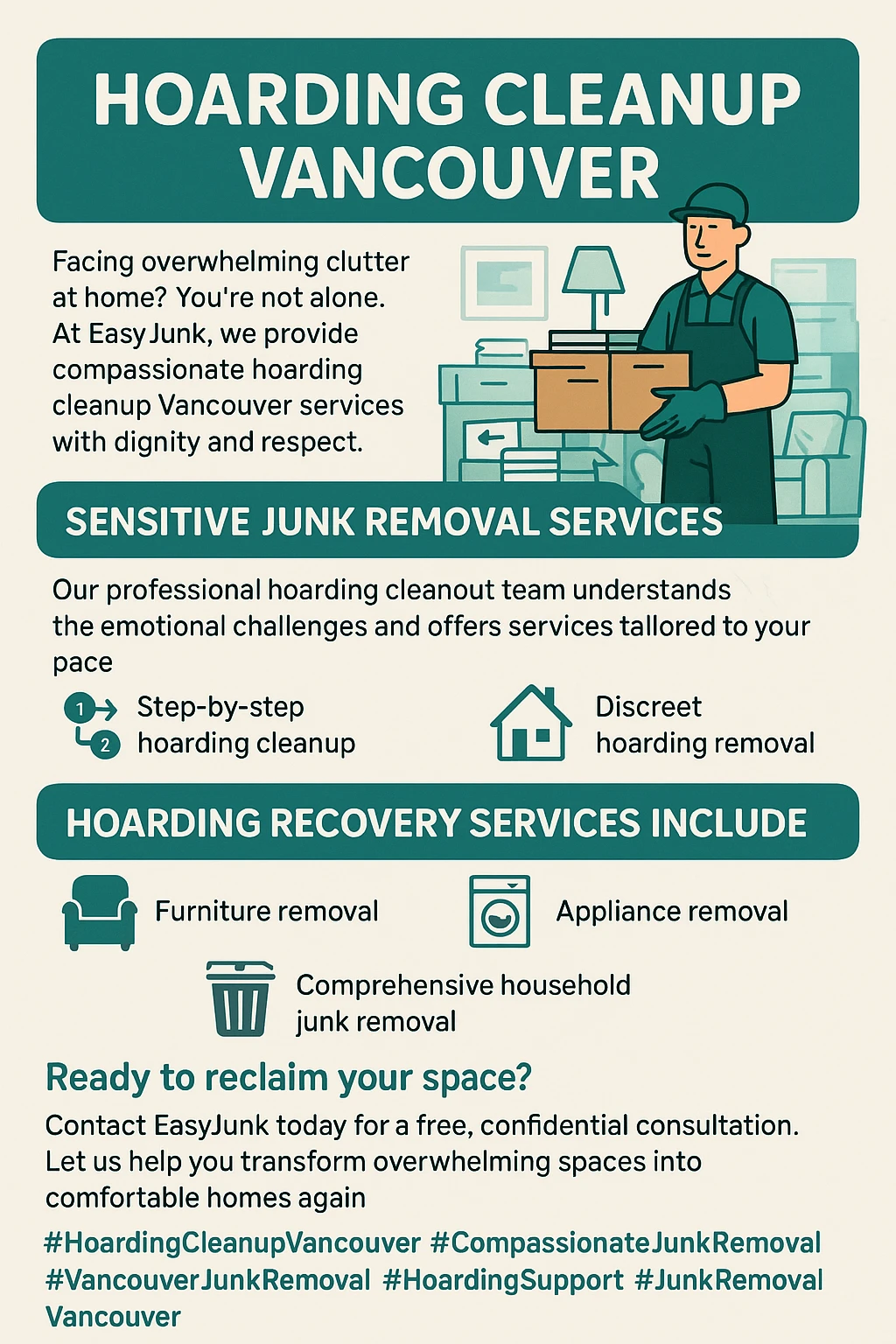
Moving from municipal support to private sector solutions, Vancouver has developed a robust network of specialized hoarding cleanup services that go far beyond typical junk removal operations. The transition from understanding you need help to actually getting that help can feel overwhelming, which is why most established Vancouver services have restructured their initial contact process to reduce barriers and increase accessibility. Companies like 1st Hoarding Cleanup, Vancouver Extreme Clean, and CleanStart BC have collectively served thousands of Vancouver families, developing expertise that addresses both the practical and emotional aspects of these challenging situations.What distinguishes professional hoarding cleanup from regular cleaning services is the specialized training and equipment required to handle these complex environments safely. Professional teams undergo certification through programs focused on biohazard handling, trauma-informed approaches, and proper disposal protocols for hazardous materials. This training becomes crucial when dealing with situations that may include needles, sharps, blood, urine, fecal matter, mold, pest infestations, and structural hazards that could pose serious health risks to untrained individuals. The scope of services extends from basic sorting and organizing to comprehensive environmental remediation that can restore homes to safe, livable conditions.The discretion aspect of these services cannot be overstated in terms of reducing shame and stigma around hoarding situations. Most professional Vancouver companies use unmarked vehicles and maintain strict confidentiality protocols, understanding that many clients have spent years feeling embarrassed about their living conditions. Teams are trained to approach each situation with empathy rather than judgment, recognizing that hoarding behaviors often stem from deeper emotional or psychological challenges including depression, anxiety, trauma, or other mental health conditions that require sensitivity rather than criticism.  Service coordination has become increasingly sophisticated, with many companies working directly with therapists, social workers, and the municipal HART program to ensure that cleanup efforts support rather than undermine ongoing therapeutic work. This integrated approach recognizes that throwing away someone’s possessions without proper preparation and support can actually be traumatic and counterproductive, potentially strengthening hoarding behaviors rather than addressing them. Professional services maintain networks of recommended therapists who specialize in hoarding disorder, ensuring clients have access to ongoing mental health support throughout the cleanup process.The evolution of these services reflects a growing understanding that hoarding cleanup is fundamentally about restoring dignity and functionality to people’s lives rather than simply removing unwanted items. Teams work collaboratively with clients to categorize belongings as keep, donate, recycle, or discard, ensuring that valuable items, important documents, and sentimental possessions are properly identified and preserved. This process can take significantly longer than a standard cleanout, sometimes requiring multiple sessions over weeks or months, but the results tend to be much more sustainable because clients maintain agency over their belongings rather than feeling like victims of an overwhelming process.
Safety Protocols and Health Considerations
When discussing hoarding cleanup safety, it’s essential to understand that not all hoarding situations require the same level of intervention or protective equipment. Understanding the difference between various severity levels helps explain why professional assessment becomes so critical before any cleanup work begins. The classification system ranges from Level 1 situations that might require basic protective equipment like gloves and masks, to Level 5 scenarios that demand full protective gear including coveralls, boots, and respirators due to extensive biohazard contamination and structural concerns.Level 1 hoarding situations typically involve manageable clutter with clear pathways through the home, while Level 5 represents severe conditions where rooms may be completely inaccessible, utilities might not function properly, and serious health hazards including human or animal waste, mold, pest infestations, and rotting food create dangerous living conditions. Professional teams assess PPE requirements based on these classifications, ensuring that worker safety protocols match the actual risks present rather than applying one-size-fits-all approaches that might be inadequate or unnecessarily intensive. 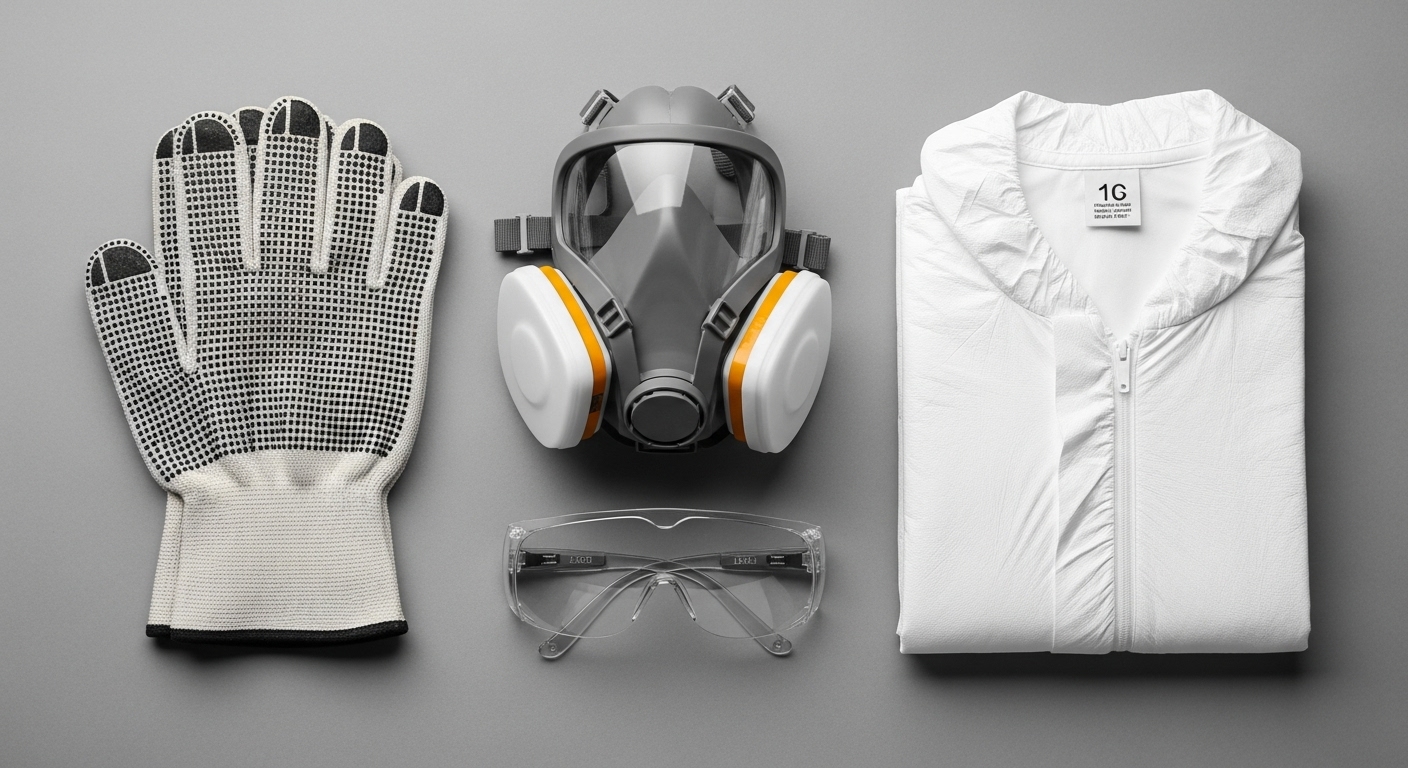 Indoor air quality represents one of the most significant but often overlooked health risks in hoarding situations. Vancouver’s wet climate creates particular challenges around mold growth and humidity control when homes become overcrowded with possessions, especially in basements and areas with poor ventilation. Professional teams use specialized equipment including air scrubbers, dehumidifiers, and ventilation systems to address these issues during cleanup, understanding that simply removing visible clutter won’t necessarily resolve underlying air quality problems that could continue affecting residents’ health long after the cleanup is complete.The biohazard aspect of hoarding cleanup requires specialized training and certification that goes well beyond standard cleaning protocols. Teams must be prepared to handle potentially infectious materials, sharps, chemicals, and other hazardous substances while following proper containment and disposal procedures. This includes understanding how to safely package and transport hazardous materials to appropriate disposal facilities, documentation requirements for hazardous waste disposal, and coordination with municipal authorities when necessary. The complexity of

