
Staring at that ancient refrigerator humming in your basement, wondering if it’s worth anything more than a headache? Transform your appliance upgrade project into a win-win situation by mastering Vancouver’s trade-in programs and eco-friendly disposal options that put money back in your pocket while protecting our beautiful BC environment. Picture this: you’re finally ready to ditch that avocado-green dishwasher from the Carter administration, but instead of paying someone to haul it away, you’re actually getting cash back. That’s the magic of understanding Vancouver’s appliance trade-in ecosystem – a world where your old appliances become stepping stones to sleeker, more efficient models without breaking the bank. Whether you’re dealing with a temperamental washing machine that sounds like a cement mixer or a refrigerator that’s been practicing its death rattle for months, there’s a strategic approach to turning these household dinosaurs into store credit gold. The key lies in understanding that every old appliance has hidden value – not just in the metals and components that recyclers crave, but in the rebates, trade-in credits, and environmental programs that Vancouver and BC have created to encourage responsible disposal. From BC Hydro’s fridge buy-back program offering cold hard cash to retailers competing for your upgrade business, the landscape is ripe with opportunities for savvy homeowners who know how to prepare their appliances properly and navigate the system like pros.
Key Outtakes:
- Professional appliance assessment and preparation can significantly increase your trade-in value, sometimes doubling what you’d receive for an unprepared unit
- BC Hydro’s buy-back program offers $30 cash plus free removal for spare refrigerators, while major retailers provide trade-in credits ranging from $20 to several hundred dollars depending on appliance condition
- Proper timing and coordination of removal services, trade-ins, and new appliance delivery can save hundreds in logistics costs while maximizing rebate opportunities
- Environmental regulations make DIY disposal risky and expensive, while professional services handle hazardous materials safely and often provide better financial returns
- Combining multiple programs – utility rebates, manufacturer incentives, retail trade-ins, and seasonal promotions – can offset 20-50% of new appliance costs
Understanding Vancouver’s Appliance Trade-In Landscape
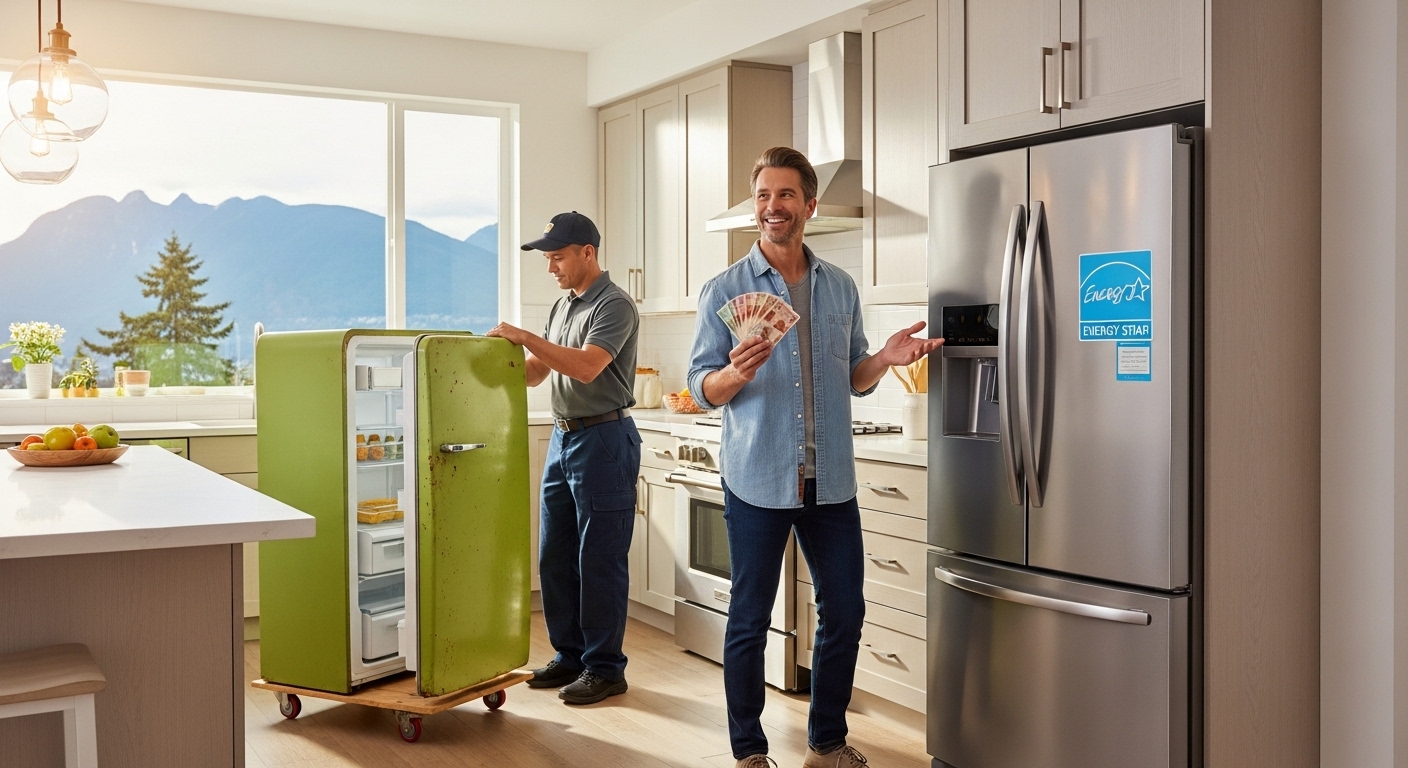 Vancouver’s appliance trade-in scene has evolved into a sophisticated ecosystem that benefits everyone involved – retailers get inventory for refurbishment, manufacturers meet environmental responsibilities, and homeowners pocket serious cash while upgrading their homes. The beauty of this system lies in recognizing that even your most beat-up appliances contain valuable materials like copper, aluminum, and steel that maintain market value regardless of functionality.Major utility programs have transformed the appliance disposal game entirely. BC Hydro alone estimates that nearly 500,000 spare fridges across the province are quietly draining $42 million annually from residents’ wallets through unnecessary energy consumption. Their buy-back program isn’t just about environmental responsibility – it’s about putting money directly back into your pocket while solving a massive energy waste problem. The trade-in value calculation involves multiple factors that smart homeowners can influence through proper preparation. Age plays a huge role, but condition often trumps vintage when retailers evaluate units. A well-maintained 8-year-old Samsung refrigerator can command significantly higher trade-in value than a neglected 5-year-old unit from the same manufacturer. Brand reputation matters enormously, with established names like Whirlpool, LG, and GE consistently outperforming generic brands in resale value. Energy efficiency ratings have become increasingly important as consumers prioritize lower operating costs and environmental impact. Energy Star certified appliances maintain substantially higher residual values throughout their lifespans, often retaining 30-40% more trade-in value than comparable standard-efficiency models. This trend reflects consumer willingness to pay premiums for appliances that promise ongoing utility savings and reduced environmental footprints. Timing your trade-in strategically can dramatically impact your returns. Appliances typically lose approximately 50% of their original purchase price within the first year, then depreciate by roughly 10% of original price annually thereafter. Understanding this depreciation curve helps homeowners identify the sweet spot where trade-in value still justifies replacement while avoiding the diminishing returns of waiting too long.
Preparing Your Appliances for Maximum Trade-In Value
The preparation phase often determines whether you walk away with significant store credit or pocket change. Think of it as staging your home for sale – first impressions matter enormously when retailers evaluate your appliances. Most homeowners underestimate how dramatically proper preparation can impact trade-in offers, sometimes doubling or tripling the compensation offered for identical appliances in different states of presentation.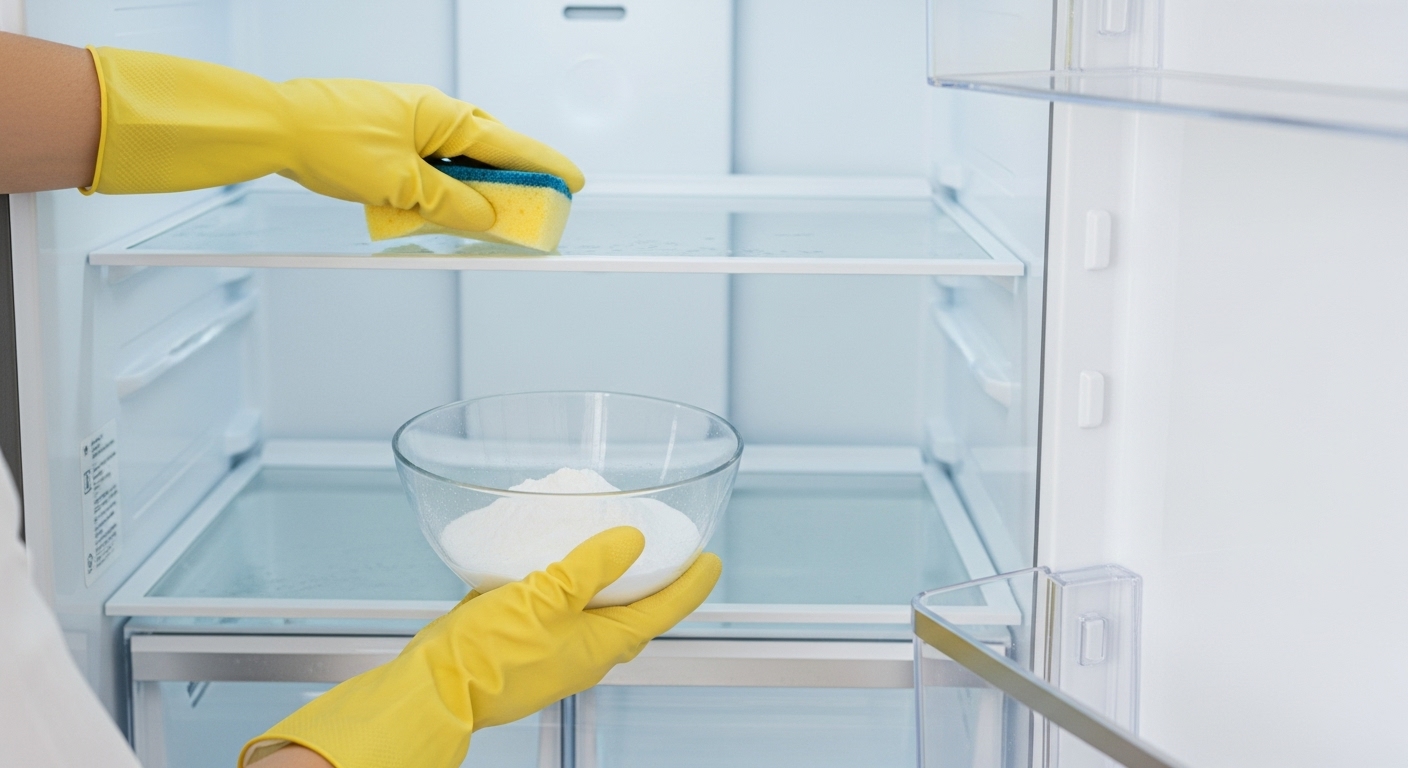 Safety must come first in any appliance preparation process. Before touching anything else, ensure complete disconnection from power sources, water lines, and gas connections as appropriate. This isn’t just about convenience – it’s about preventing potentially dangerous situations that could result in electrical shock, water damage, or gas leaks. For refrigerators and freezers, allow adequate defrosting time and ensure all coolant systems remain intact, as damage to refrigeration components can immediately disqualify units from trade-in programs.Deep cleaning transforms appliance appearance and value perception more than any other single preparation step. Start with complete interior cleaning using mild solutions like baking soda and water, which effectively remove stains and odors without introducing harsh chemicals that might concern potential buyers. Pay special attention to hidden areas like condenser coils, drainage systems, and interior corners where buildup accumulates over time. Functionality testing represents the make-or-break moment for trade-in value. Retailers systematically verify core operations – refrigerators must maintain proper temperatures in both fresh food and freezer compartments, washing machines must fill, agitate, drain, and spin without leaks or unusual noises, and ovens must heat to appropriate temperatures safely. Identifying and addressing minor functional issues before evaluation can prevent dramatic value reductions or outright rejection by trade-in programs. Documentation enhances credibility and value perception significantly. Gather original purchase receipts, warranty information, and maintenance records if available. Even basic documentation like model numbers and energy efficiency ratings helps retailers process evaluations more efficiently and may influence their willingness to offer higher trade-in values. Photos taken throughout the preparation process can serve as valuable reference points during negotiations with retailers or removal services.
Navigating Professional Removal Services in Vancouver
Professional appliance removal services have revolutionized the disposal process for Vancouver homeowners, transforming what was once a logistical nightmare into a convenient, often profitable experience. The key lies in understanding how different service models work and which approach best fits your specific situation and budget constraints.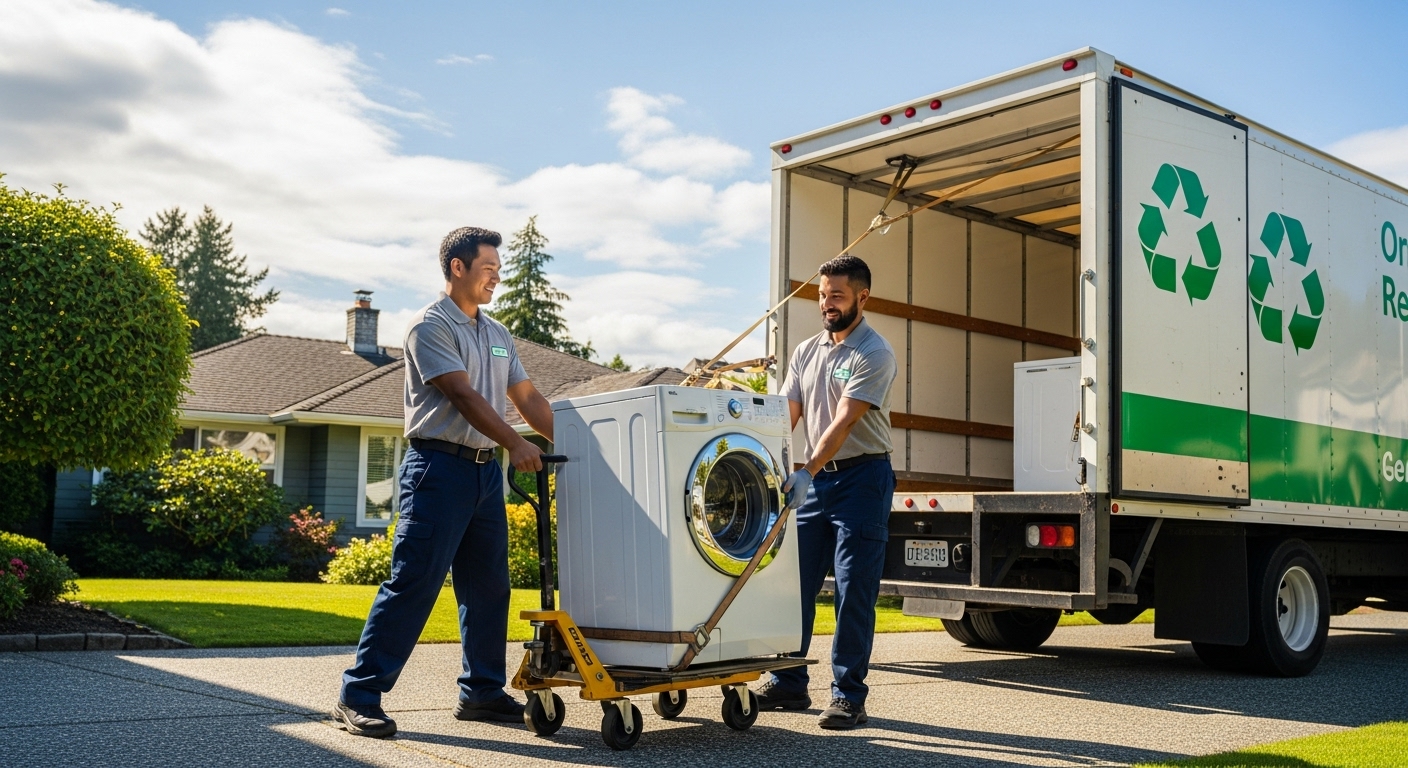 Volume-based pricing models used by major removal companies like 1-800-GOT-JUNK often provide excellent value for homeowners dealing with multiple appliances or comprehensive cleanouts. Rather than charging per appliance, these services price based on truck space utilized, meaning strategic consolidation of multiple items can achieve favorable per-appliance costs while handling all logistics through a single service appointment. Same-day service availability represents a significant convenience factor, particularly valuable during renovation projects or property preparation for sale. Many Vancouver removal services offer scheduling flexibility that accommodates tight timelines while maintaining professional standards for safe appliance extraction and transportation. This convenience often justifies slightly higher costs compared to scheduling removal services days or weeks in advance. The environmental credentials of removal services vary significantly, impacting both your ecological footprint and potential financial returns. Services committed to recycling and responsible disposal often provide better overall value by ensuring valuable materials reach appropriate recycling facilities rather than landfills. Some services share recycling revenues with customers, creating win-win arrangements that benefit both parties while supporting environmental objectives. Insurance and licensing considerations protect homeowners from liability issues that could arise during appliance removal. Professional services carry appropriate coverage for property damage, worker injuries, and environmental incidents that might occur during removal activities. Verifying these credentials upfront prevents potential complications that could prove far more expensive than the removal service costs. Coordination with delivery services often provides optimal efficiency and cost-effectiveness. Many professional removal companies work directly with major appliance retailers to coordinate old appliance pickup with new appliance delivery, eliminating storage challenges while optimizing logistics costs for all parties involved.
Maximizing Rebates and Incentive Programs
The rebate landscape for appliance replacement has exploded into a complex web of opportunities that can offset substantial portions of new appliance costs when navigated strategically. Understanding how to layer multiple programs creates compounding benefits that transform appliance upgrades from major expenses into manageable investments with immediate returns. Utility

