
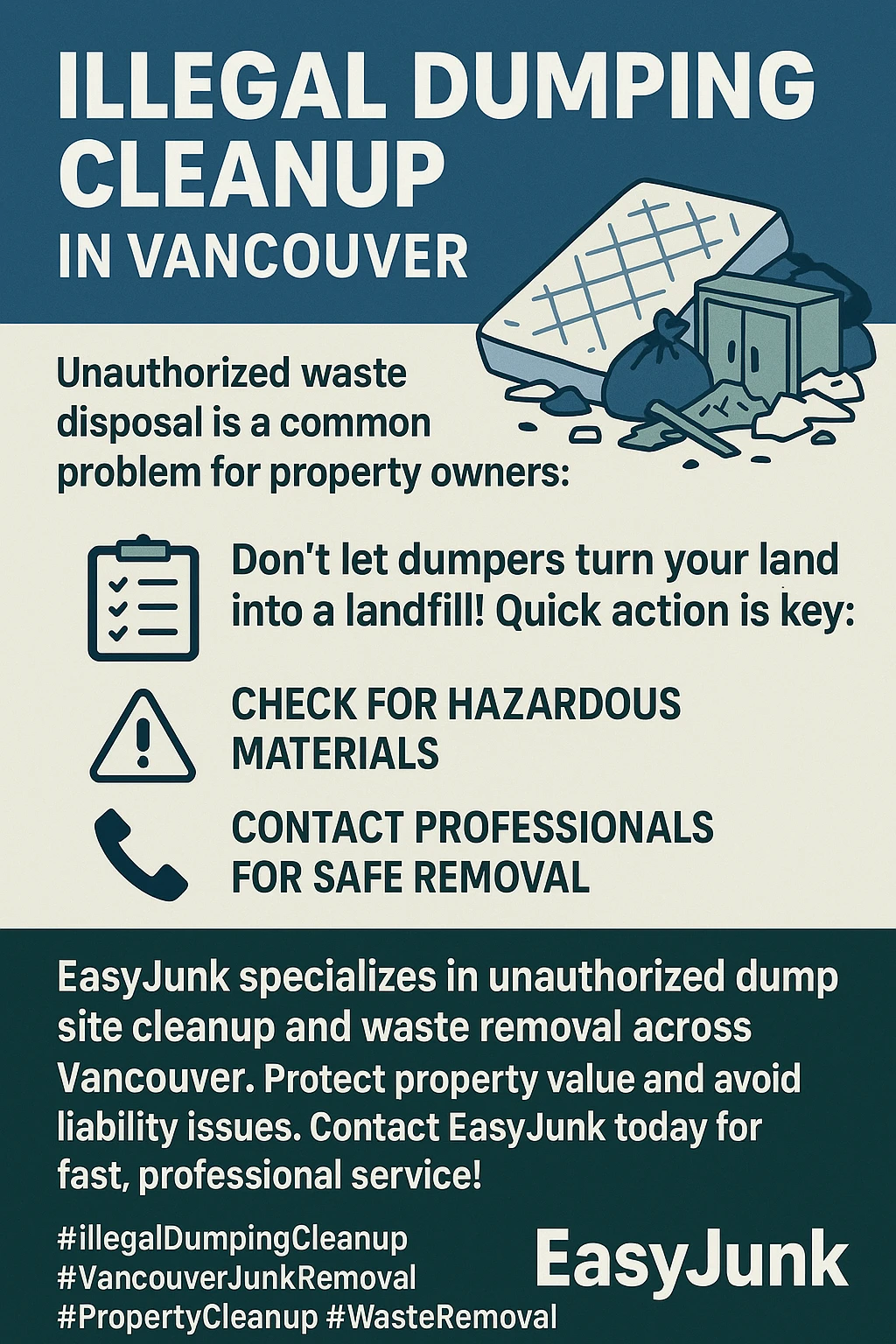
Tired of finding mysterious mattresses and construction debris dumped on your property? Discover the comprehensive legal, financial, and practical strategies Vancouver property owners need to handle illegal dumping incidents while protecting themselves from costly environmental liability.
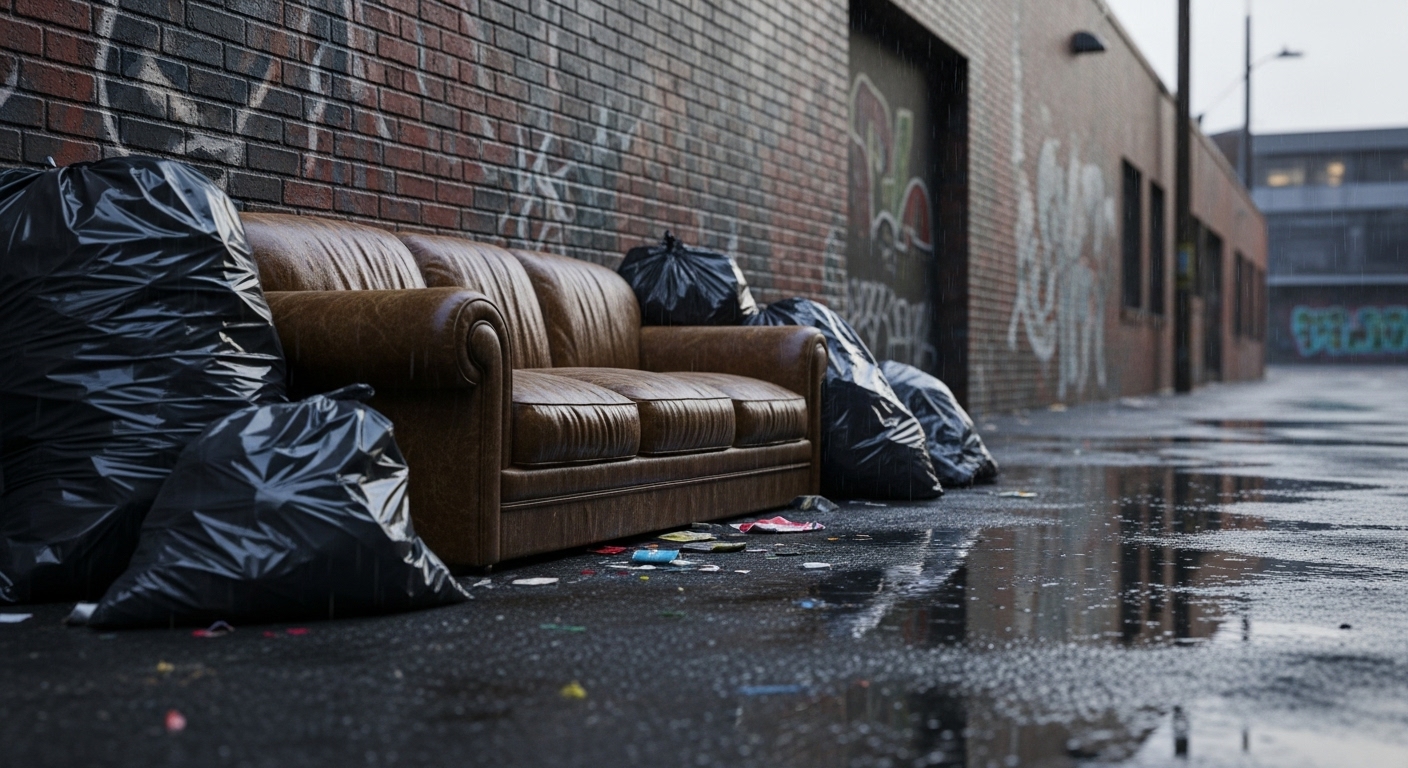
Picture this: you’re heading out for your morning coffee when you spot it—a soggy couch sitting in your back alley like an unwelcome houseguest who forgot to leave. Or maybe it’s something worse, like the time I discovered what looked like an entire kitchen renovation’s worth of debris mysteriously appeared on my friend’s vacant lot over the weekend. If you’re a property owner in Vancouver, you’ve probably played this frustrating game of “what did someone dump on my land now?” more times than you’d care to admit.
The reality is that illegal dumping has become a massive headache for Vancouver property owners, costing the city over a million dollars annually and leaving countless homeowners stuck with cleanup bills that can range from a few hundred to tens of thousands of dollars. What makes this even more maddening is that while the city handles cleanup on public property, private property owners are basically on their own when it comes to dealing with other people’s trash. The good news? There are proven strategies to protect your property, understand your legal rights, and handle cleanup efficiently when the inevitable happens.
Understanding how to navigate Vancouver’s illegal dumping landscape isn’t just about keeping your property clean—it’s about protecting yourself from environmental liability, insurance headaches, and the kind of contamination costs that can seriously mess with your financial future. Whether you’re dealing with a one-off mattress dump or worried about repeat offenders treating your land like their personal landfill, this guide breaks down everything you need to know about prevention, cleanup, and legal protection.
Key Outtakes:
- Vancouver property owners bear full financial responsibility for illegal dumping cleanup on private land, with costs ranging from $250-$800 for basic junk removal to over $50,000 for environmental remediation if hazardous materials are involved
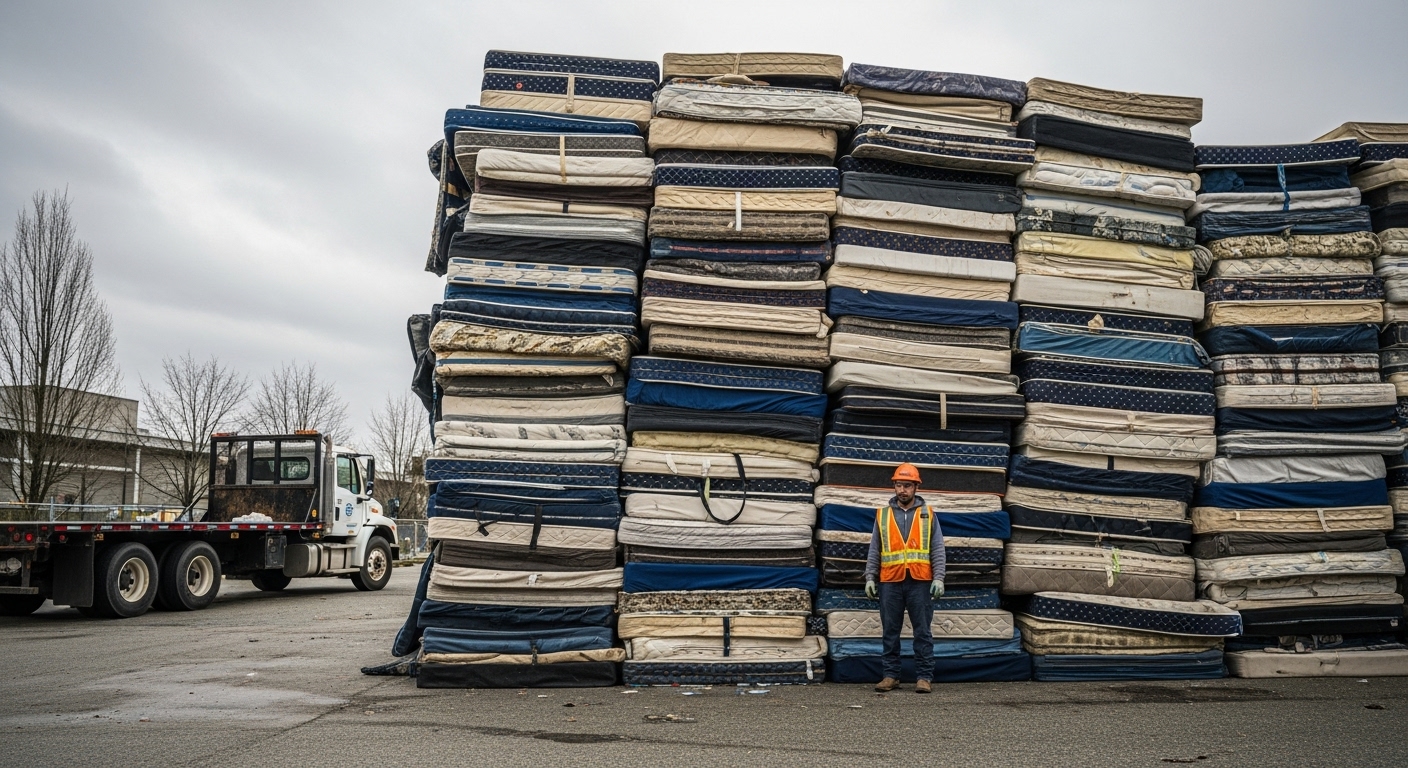
- The city spends over $1 million annually cleaning up 2,500 tonnes of illegally dumped waste, with dedicated crews working 40 hours per week just collecting abandoned mattresses
- Effective prevention combines physical barriers, surveillance cameras, and strategic signage, with well-maintained properties experiencing significantly fewer dumping incidents than neglected ones
- Standard property insurance policies exclude pollution-related damages, leaving owners vulnerable to massive cleanup costs unless they carry specialized environmental liability coverage
- Municipal bylaws allow fines from $100-$10,000 for illegal dumping, but property owners should report incidents to Vancouver Police at 604-717-3321 and document everything for potential legal action
The Growing Crisis of Illegal Dumping in Vancouver
Let’s talk numbers, because they’re honestly pretty shocking. Vancouver has seen illegal dumping complaints nearly double over the past five years, jumping from about 10,000 to 20,000 annual reports. That’s not just a small uptick—that’s a full-blown crisis that’s eating into city resources and making property owners’ lives miserable. The city literally employs a dedicated crew that spends 40 hours every single week just collecting abandoned mattresses, and they’ve already picked up 4,800 mattresses in just six months during peak season.
What’s driving this surge? A perfect storm of factors, really. The pandemic led to a massive home renovation boom, which meant tons of construction debris and old furniture needed disposal. At the same time, disposal costs at Metro Vancouver facilities have increased, creating financial incentives for people to duck out on proper disposal. Add in Vancouver’s dense urban layout with plenty of back alleys and vacant lots that provide cover for midnight dumpers, and you’ve got a recipe for the mess we’re seeing today.
The types of stuff being dumped run the full spectrum from annoying to genuinely dangerous. We’re talking mattresses and furniture (the most visible stuff), construction debris from DIY renovations gone wrong, old appliances, and unfortunately, hazardous materials like paint, batteries, and motor oil. The 2025 incident involving a Junk Be Gone Disposal employee caught red-handed dumping waste in a Maple Ridge forest shows that even professional disposal companies aren’t immune to the temptation of illegal shortcuts.
Here’s what makes Vancouver’s situation unique compared to other cities: our geography creates perfect dumping conditions. The combination of mountainous terrain, industrial areas, and dense urban neighborhoods means there are countless secluded spots where people think they can dump without getting caught. Unlike prairie cities where illegal dumping might be more contained to specific rural areas, Vancouver’s problem spreads across urban, suburban, and semi-rural contexts, making enforcement and prevention that much more challenging.
Environmental and Health Risks You Need to Know About
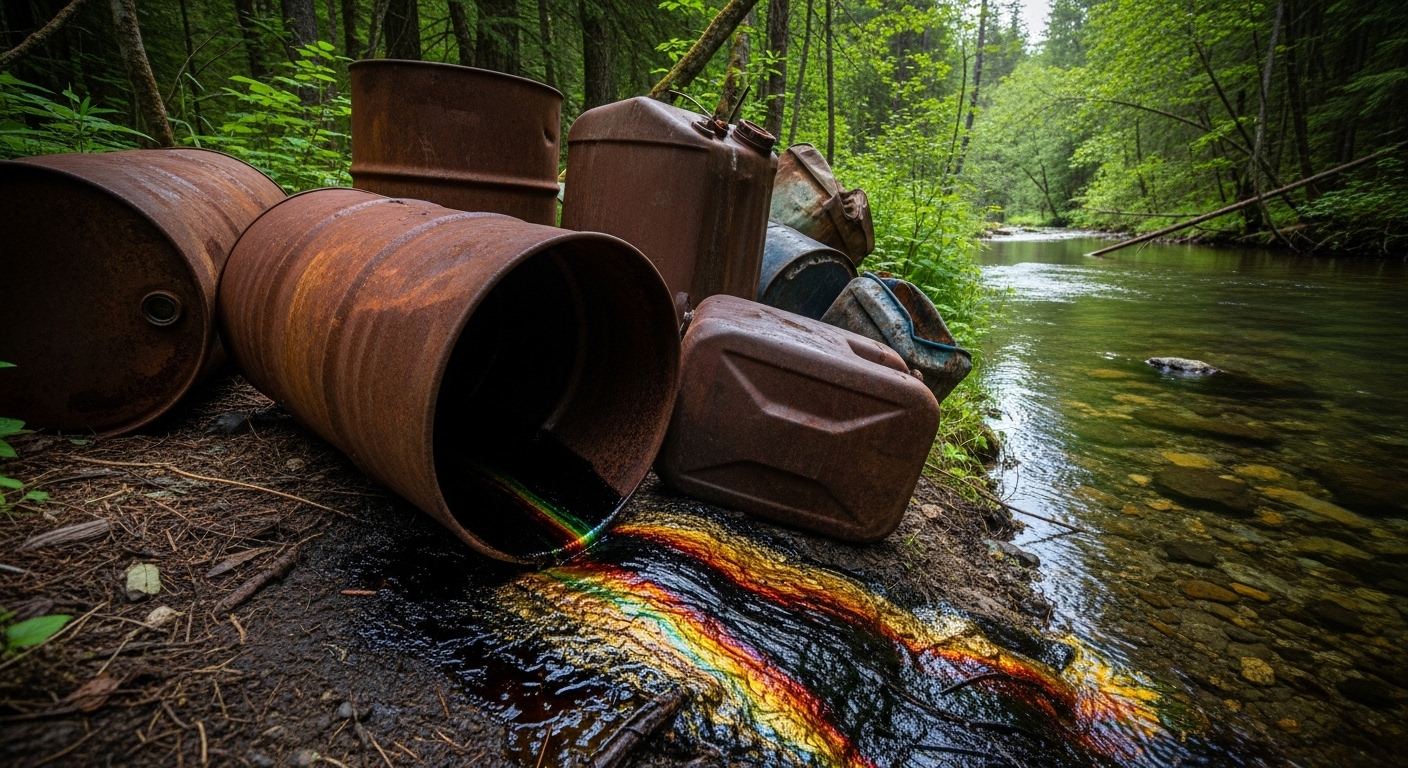
Beyond the obvious “this looks gross and ruins my neighborhood” factor, illegal dumping creates serious environmental and health risks that can affect your family and community for years. When someone dumps chemicals, batteries, or paint near waterways or storm drains, those toxins don’t just disappear—they seep into groundwater that communities rely on for drinking water and irrigation. The Maple Ridge incident I mentioned earlier happened near a habitat restoration area, which could have caused ecological damage extending far beyond the immediate dump site.
Soil contamination is where things get really expensive for property owners. Heavy metals and persistent organic pollutants from dumped materials can hang around in soil for decades, making land remediation incredibly costly and complex. If contaminated materials on your property start migrating to neighboring properties or waterways, you could be looking at liability extending into the tens of thousands of dollars. Under BC’s Environmental Management Act, property owners can be held responsible for contamination cleanup even if they didn’t cause the original dumping.
The health impacts are equally concerning, especially for families with kids or elderly residents. Illegally dumped materials can release volatile organic compounds and particulate matter into the air, causing respiratory problems like wheezing, coughing, and difficulty breathing. Even without active burning or decomposition, dry waste materials can become airborne and create dust that people inhale. Research shows that long-term exposure to contaminated sites correlates with increased risks of asthma and other chronic respiratory conditions.
Then there’s the pest problem, which might sound minor but creates genuine disease transmission risks. Dumped materials create perfect breeding grounds for rats, mosquitoes, and flies that carry harmful pathogens. These pests don’t respect property boundaries—they’ll spread throughout neighborhoods, potentially carrying diseases that affect entire communities. Property owners who fail to address known dumping sites on their land can face municipal enforcement action for creating public health nuisances.
Understanding Your Legal Rights and Responsibilities
The legal landscape around illegal dumping in Vancouver operates through multiple layers of municipal bylaws and provincial legislation, and understanding your rights and responsibilities as a property owner is crucial for protecting yourself. At the municipal level, Vancouver’s Street and Traffic Bylaw establishes fines ranging from $100 to $10,000 depending on what was dumped and where. Importantly, illegal dumping isn’t classified as a criminal offense under Canada’s Criminal Code, so prosecution happens through municipal and provincial channels rather than criminal court.
At the provincial level, BC’s Environmental Management Act creates potentially much more serious liability under the “polluter pays” principle. If illegal dumping on your property creates contamination, you could be looking at cleanup costs under this legislation even if you didn’t do the original dumping. The EMA allows for fines up to $200,000 or six months imprisonment for serious hazardous waste violations, and up to $3 million or three years imprisonment for intentional environmental damage or reckless disregard for public safety.
As a property owner, you do have rights when someone dumps on your land. Placing waste on your property without permission constitutes trespass, and you can pursue legal remedies including trespass claims or ejectment proceedings to compel removal. However—and this is crucial—you cannot just remove or dispose of dumped materials yourself through “self-help” measures. Courts routinely hold property owners liable for unlawful removal of trespasser property, so you need to follow proper legal procedures.
For reporting, Vancouver property owners should contact the Vancouver Police Department’s non-emergency line at 604-717-3321 for illegal dumping on private property. You can also report through Van311, the city’s service request system. When reporting, provide specific location details, dates and times, detailed descriptions of materials, estimated volumes, and any identifying information about vehicles or people you might have observed. Photographic and video documentation significantly improves the chances of successful enforcement action.
Documentation is absolutely critical for both

