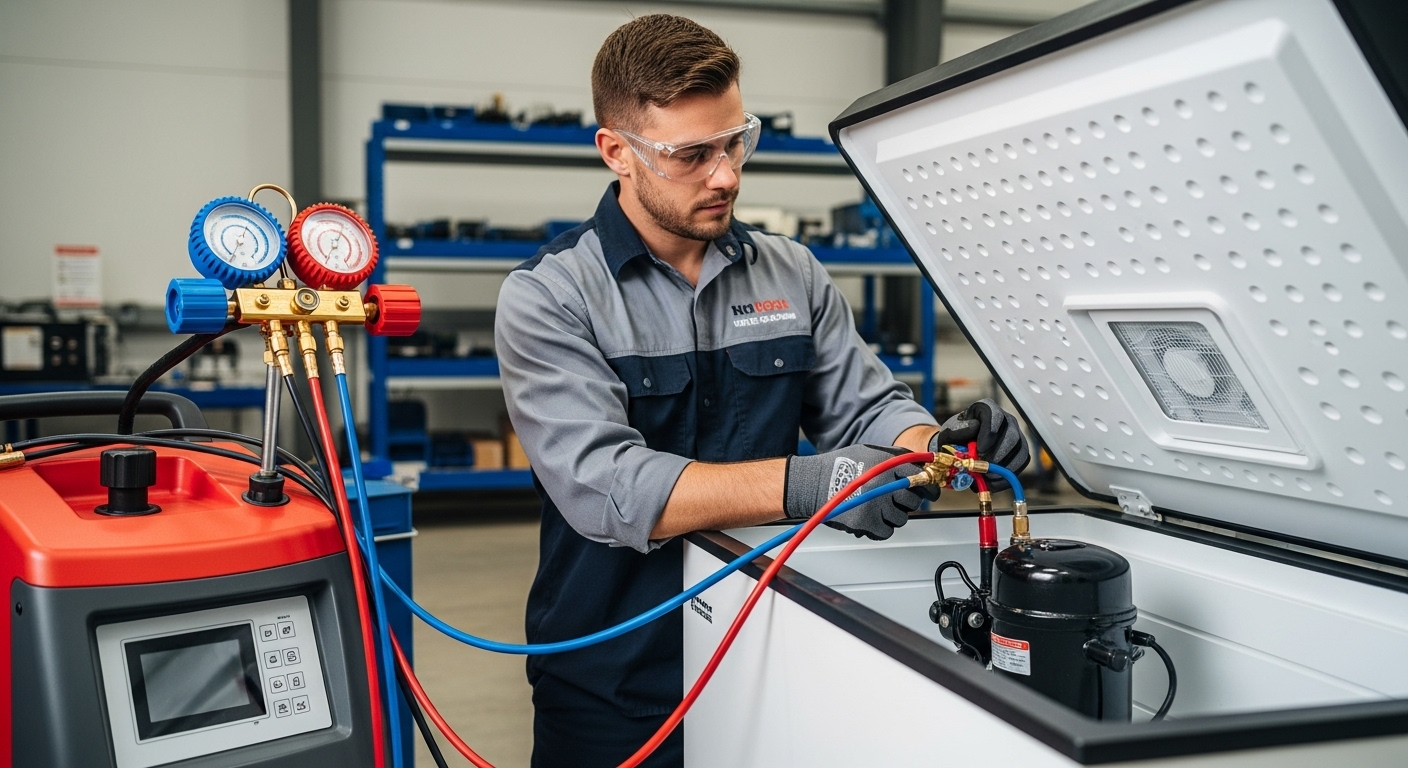
Vancouver Refrigerator and Freezer Disposal: Complete Guide to Freon Removal and Environmental Safety
Dealing with an old refrigerator or freezer that needs disposal in Vancouver? Navigate the complex world of freon removal, environmental regulations, and disposal options with our comprehensive guide that covers everything from legal requirements to cost-effective solutions.Getting rid of a refrigerator or freezer in Vancouver isn’t as simple as dragging it to the curb on garbage day. These appliances contain refrigerants like freon that can seriously damage the environment if not handled properly, and Vancouver has specific regulations that make improper disposal both illegal and expensive. Whether you’re upgrading to an energy-efficient model, clearing out a deceased relative’s home, or finally ditching that ancient garage fridge that’s been sucking up electricity for decades, understanding your disposal options can save you money while protecting the planet.The good news is that Vancouver offers multiple pathways for responsible appliance disposal, from free drop-off locations to professional pickup services that handle all the heavy lifting. With proper planning and knowledge of local regulations, you can dispose of your refrigerator safely, legally, and often at minimal cost. The key is understanding the mandatory freon removal process, knowing which services are legitimate, and choosing the disposal method that best fits your timeline and budget.Vancouver’s approach to appliance disposal reflects the city’s commitment to environmental sustainability and waste reduction. The municipal framework connects residents with provincially-approved recycling programs while ensuring compliance with federal refrigerant handling requirements. This multi-layered system protects both consumers and the environment, but it requires some navigation to access effectively.
Key Outtakes
- Vancouver Municipal Code requires proper appliance disposal through designated channels, with fines up to $1,000,000 for improper hazardous material handling
- Freon removal must be performed by EPA Section 608 certified technicians before disposal, with proper documentation required for legal compliance
- MARR program offers free appliance recycling at over 200 BC locations, including multiple Metro Vancouver sites accessible to residents
- Old refrigerators can cost up to $260 more in electricity over five years compared to Energy Star models, making replacement economically beneficial
- Vancouver provides multiple disposal options including free drop-off at Zero Waste Centre, municipal pickup services, and licensed junk removal companies
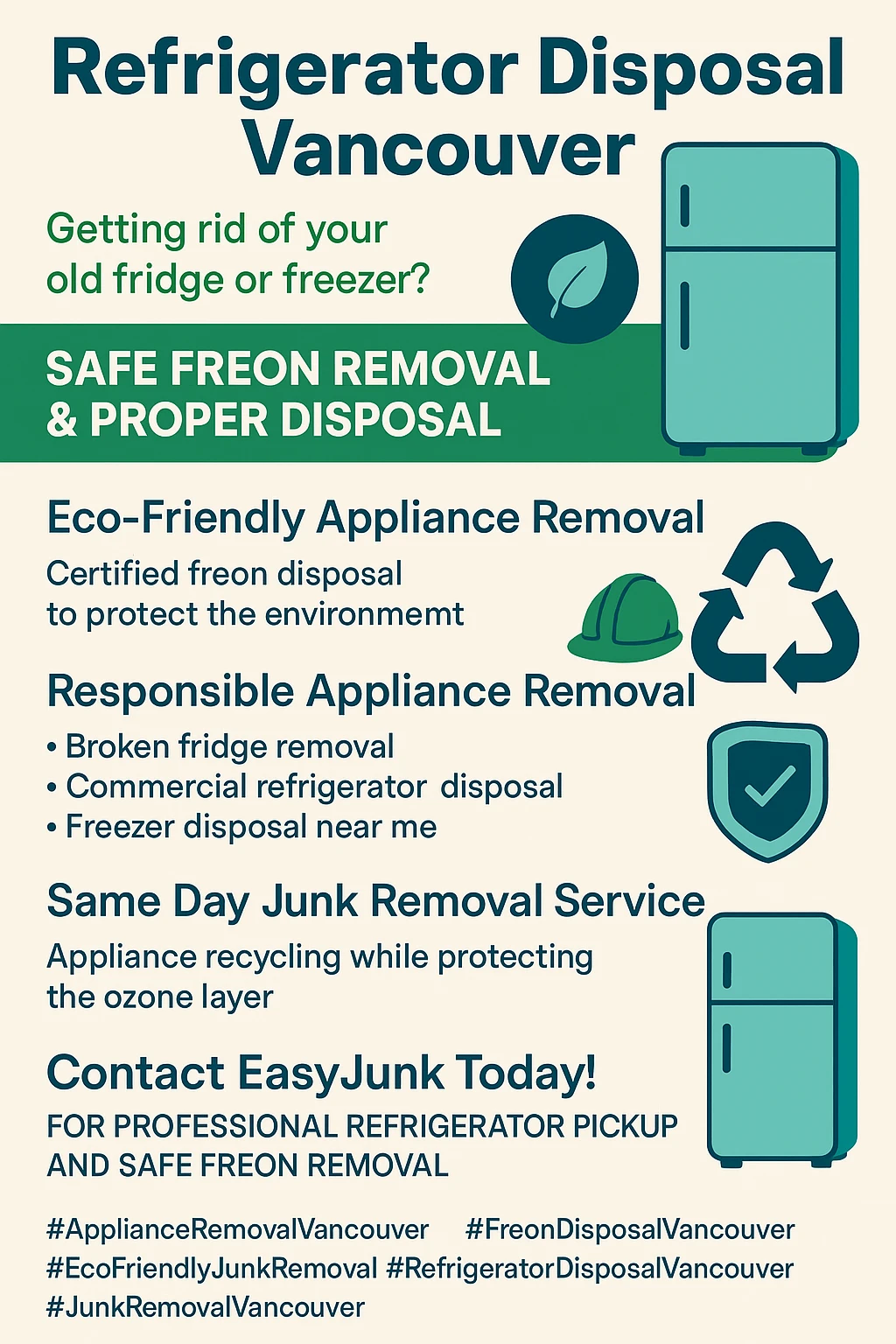
Understanding Vancouver’s Legal Framework for Refrigerator and Freezer Disposal
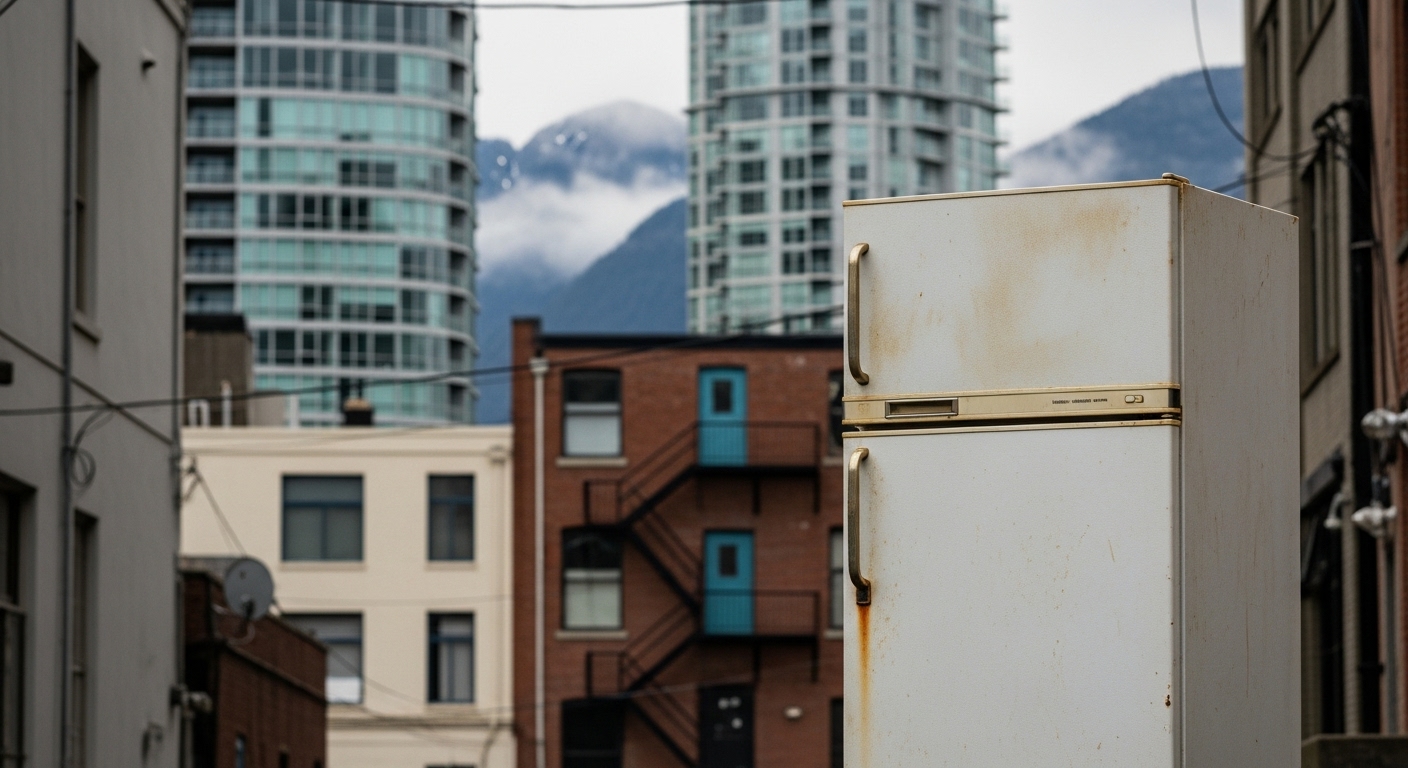 Before you can legally dispose of a refrigerator or freezer in Vancouver, you need to understand the regulatory landscape that governs appliance disposal. Vancouver operates under Municipal Code 6.12.205, which establishes specific requirements for appliance disposal within city limits, directing large items to designated facilities rather than regular curbside collection. This municipal code recognizes that appliances contain complex materials, environmental hazards, and recyclable components that require specialized handling beyond what standard garbage collection can provide. The regulatory framework extends beyond municipal boundaries, interfacing with provincial BC Extended Producer Responsibility legislation and federal Environmental Protection Act requirements. This creates a layered compliance system where improper handling can trigger penalties across multiple jurisdictions. The Major Appliance Recycling Roundtable (MARR) operates as the only approved stewardship plan for major appliances in BC, functioning under approval from the BC Ministry of Environment and Climate Change Strategy. This structure ensures that consumers have rights to free disposal while manufacturers bear financial responsibility through Administrative Program Fees charged at the point of sale.Understanding the penalty structure for non-compliance reveals why proper disposal matters beyond environmental concerns. Illegal dumping fines start at $250 for basic violations, but improper disposal of refrigerants can result in fines up to $1,000,000 or six months imprisonment under BC environmental laws. These severe penalties reflect the serious environmental impact of ozone-depleting substances and the government’s commitment to preventing their release into the atmosphere.Commercial refrigeration units face additional complexity beyond residential appliances. Commercial units including walk-in coolers, reach-in refrigerators, and prep tables typically contain larger refrigerant charges and more complex cooling systems. Businesses must maintain comprehensive documentation including equipment lists with charge amounts, location and function details, manufacturer information, and maintenance records. Different regulations apply for restaurant and grocery store equipment compared to household appliances, with businesses facing additional compliance requirements under BC environmental regulations.The federal component centers on Section 608 of the Clean Air Act, which establishes that refrigerated appliances containing CFCs, HCFCs, or other refrigerants must have proper refrigerant recovery before disposal. These substances are regulated due to their ozone-depleting ability and powerful greenhouse gas potential, with persistence in the environment making their impact longer-lasting than compounds that degrade quickly. EPA regulations require that technicians who maintain, service, repair, or dispose of refrigerant-containing equipment must be certified, with tests specific to equipment types administered by EPA-approved certifying organizations.
The Critical Importance of Professional Freon Removal
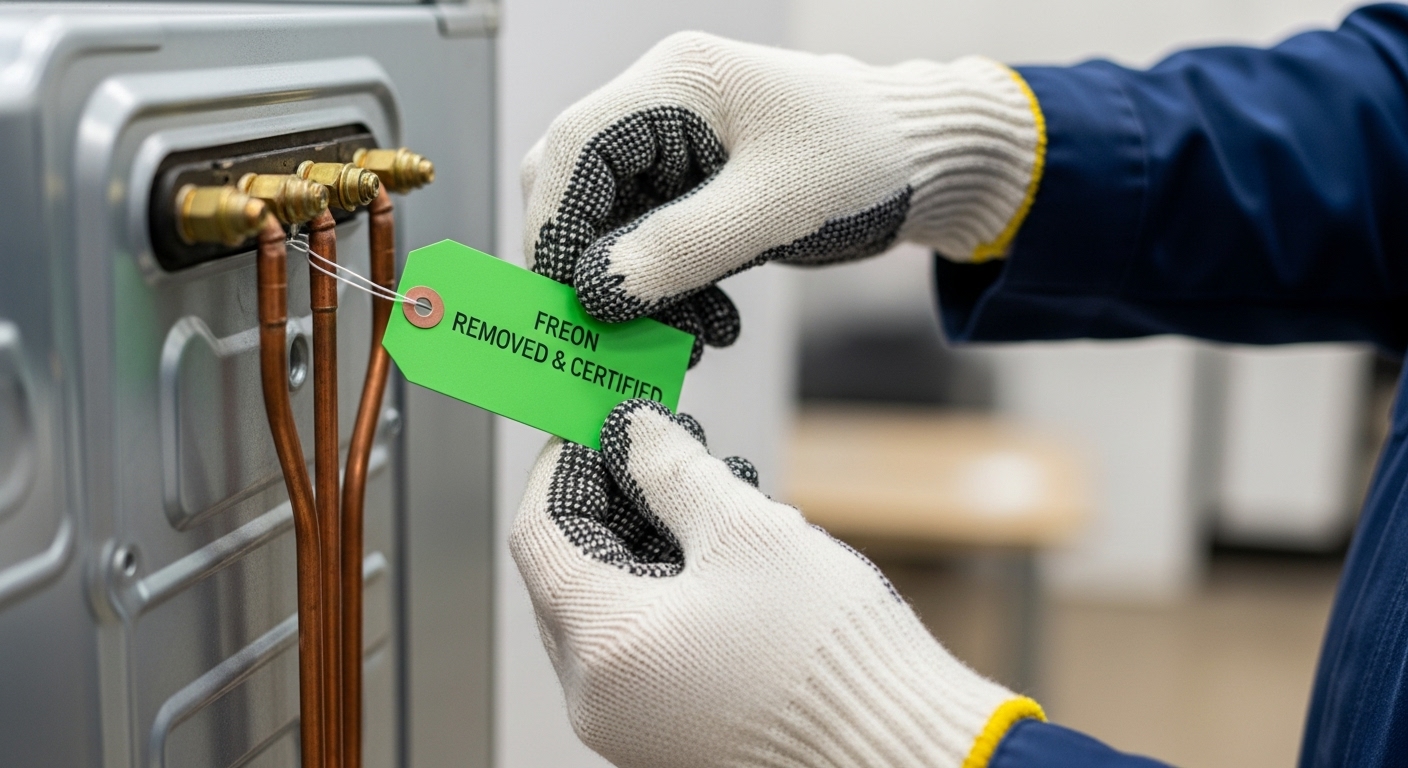 Moving from understanding legal requirements to examining why professional freon removal is non-negotiable, we need to explore both the environmental science and practical requirements that make DIY refrigerant handling illegal and dangerous. Refrigerants classified as ozone-depleting substances include various chemical compounds: CFCs (chlorofluorocarbons), HCFCs (hydrochlorofluorocarbons), and HFCs (hydrofluorocarbons). CFC-12, commonly used in older refrigerators, has a global warming potential of 10,900 compared to carbon dioxide’s baseline of 1. When these substances enter the atmosphere, they can be transported to the stratosphere where UV radiation breaks them down, releasing chlorine that reacts with and depletes the ozone layer. This process allows harmful UV radiation to reach Earth’s surface, causing increased skin cancers, cataracts, weakened immune systems, and damage to plant and animal life.The persistence of these compounds in the environment makes their impact exponentially more severe than shorter-lived pollutants. ODS gases can remain in the atmosphere for 20-120+ years according to Government of Canada assessments, meaning that refrigerant released today will continue affecting the environment well into the next century. The recovery of CFC, HCFC, and HFC refrigerants from household appliances results in significant climate benefits by preventing release of these persistent substances. The US EPA estimates that more than 11 million refrigerators and freezers are disposed of annually in the United States, creating massive potential for environmental harm without proper handling protocols.Only EPA Section 608 certified technicians can legally remove refrigerants, with four certification types depending on equipment: Type I for small appliances, Type II for high/very high-pressure appliances, Type III for low-pressure appliances, and Universal for all equipment types. Section 608 certifications do not expire, but technicians must maintain competency in proper refrigerant handling procedures. The certification process ensures technicians understand environmental regulations, safety procedures, and proper equipment operation necessary for safe refrigerant recovery.The professional removal process follows strict protocols to ensure complete refrigerant recovery and environmental protection. Certified technicians use AHRI-certified recovery machines paired with DOT-certified recovery cylinders that are valid and in-date. Recovery equipment standards vary by appliance size and type, with small appliances requiring 90% recovery when the compressor functions or 80% when non-functional. Technicians must use scales to weigh recovered refrigerant for documentation purposes, creating a complete chain of custody from appliance to final disposal.Attempting DIY refrigerant removal is both illegal and extremely dangerous for multiple reasons. Homeowners cannot legally remove freon themselves without Section 608 certification, and attempting to do so risks environmental contamination and severe legal penalties. Professional removal typically costs $50-100+ but is mandatory for legal disposal. Beyond legal requirements, refrigerants can cause health problems including liver, brain, immune system, reproductive system damage, and neurological impairment when handled improperly.After refrigerant removal, technicians must provide comprehensive documentation including unit information (make, model, serial number), location address, date of recovery, refrigerant type and amount removed, HVAC company information, and technician certification details. Most haulers and municipalities require a visible tag or sticker stating certified technician removal, typically placed prominently where drivers can easily see it. The final person in the disposal chain bears responsibility for ensuring refrigerant recovery occurred, maintaining signed statements or contracts with suppliers specifying proper recovery completion.
Vancouver’s Free and Low-Cost Disposal Options