Vancouver Hot Tub Removal: Complete Guide to Safe Disposal and Site Restoration After Your Spa
Staring at that aging hot tub in your Vancouver backyard and wondering how on earth you’ll get rid of it? You’re not alone – hot tub removal is way trickier than most homeowners expect, involving electrical disconnections, heavy lifting, and proper disposal methods that go far beyond just “hauling it away.”
Picture this: you bought your dream home in Vancouver, complete with what the previous owners called a “relaxing backyard oasis.” Fast forward two years, and that once-pristine hot tub has become a 500-pound headache that’s more algae farm than spa retreat. The pump died last winter, the cover is basically a tattered mess, and you’re pretty sure something is living underneath those loose panels. Sound familiar? Whether you’re dealing with a broken-down spa that’s seen better days or simply want to reclaim your outdoor space for a killer garden or entertaining area, hot tub removal is one of those home improvement tasks that seems simple until you actually start researching what’s involved. [IMAGE PLACEHOLDER FOR IMAGE1]
The reality is that hot tub removal in Vancouver isn’t just about calling someone to “come get this thing.” Between BC’s electrical codes, environmental disposal regulations, and the sheer physical challenge of moving something that weighs as much as a small car, there’s a lot more to consider than you might think. Plus, once that spa is finally gone, you’re left with a blank slate that could become the backyard feature you never knew you wanted. From turning that empty space into a vegetable garden to creating an outdoor entertainment zone that’ll make your neighbors jealous, the possibilities are pretty exciting once you know how to navigate the removal process safely and legally.
Key Outtakes:
- Professional hot tub removal in Vancouver typically costs between $250-$650, with most homeowners paying around $400 depending on size, accessibility, and disposal requirements
- BC building codes require licensed electricians to handle 220V electrical disconnections, making DIY removal more complex and potentially dangerous than expected
- Up to 80% of hot tub materials can be recycled through Vancouver’s eco-friendly disposal programs, including metal components, PVC fittings, and wood cabinets
- Post-removal site restoration offers exciting opportunities to increase property value by 3-5% through strategic landscaping or outdoor living space creation
- Same-day removal services are available from several Vancouver companies when booking before noon, making professional removal often faster than DIY attempts
Understanding When It’s Time for Hot Tub Removal
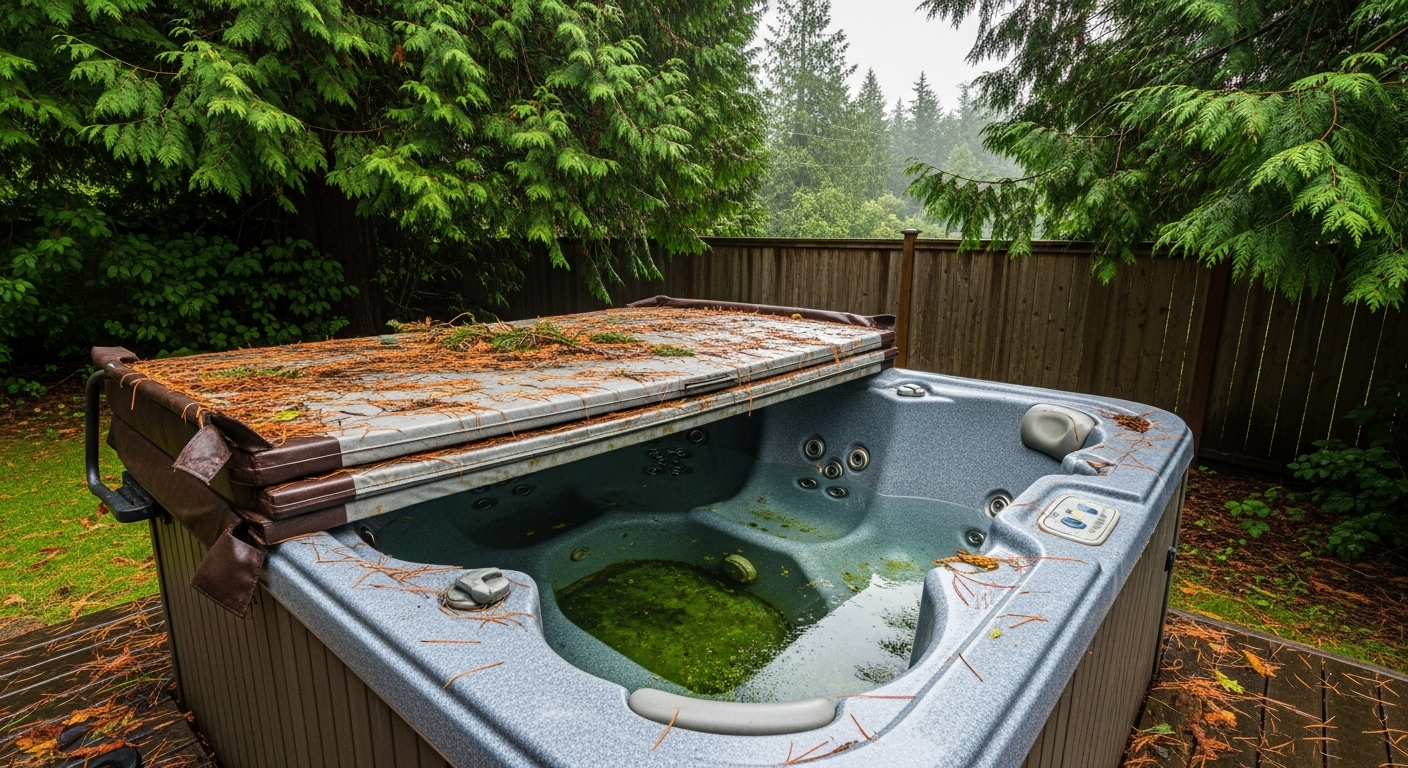
Let’s be real – nobody dreams of the day they’ll need to say goodbye to their hot tub. But like that college futon you finally admitted was beyond saving, sometimes removal is the most practical (and sanest) option. The average hot tub has a lifespan of 10-20 years, and once yours starts showing serious signs of wear, the math usually stops making sense pretty quickly.
The most obvious red flag is persistent leaking that’s too expensive to repair compared to replacement costs. We’re talking about those sneaky leaks that keep your water bills climbing and create soggy spots in your yard that never seem to dry out. Shell cracks are another major indicator – once your hot tub’s structural integrity is compromised, you’re basically looking at a very expensive, very heavy planter that happens to hold water sometimes.
Then there’s the dreaded pump failure scenario. If your hot tub’s circulation system has given up the ghost and replacement parts cost more than your last vacation, it might be time to face reality. Non-functioning units don’t just sit there looking sad – they actually detract from your property’s appeal and can become breeding grounds for insects, mold, and other unwelcome backyard visitors.
From a property value perspective, the situation gets interesting. While a functioning hot tub can increase home appeal, above-ground models typically don’t add much to official property appraisals. In-ground hot tubs might offer around 50% return on investment, but above-ground models usually have resale values of just 25-33% of their original cost. This means that broken or outdated unit taking up prime real estate in your backyard might actually be holding back your property’s potential.
The Professional Hot Tub Removal Process in Vancouver
Now that you’ve decided it’s time for that spa to go, understanding the removal process can help you make informed decisions about DIY versus professional services. The process is way more involved than just backing up a truck and wrestling that thing out of your yard – there are legitimate safety and legal considerations that make this job trickier than it appears. 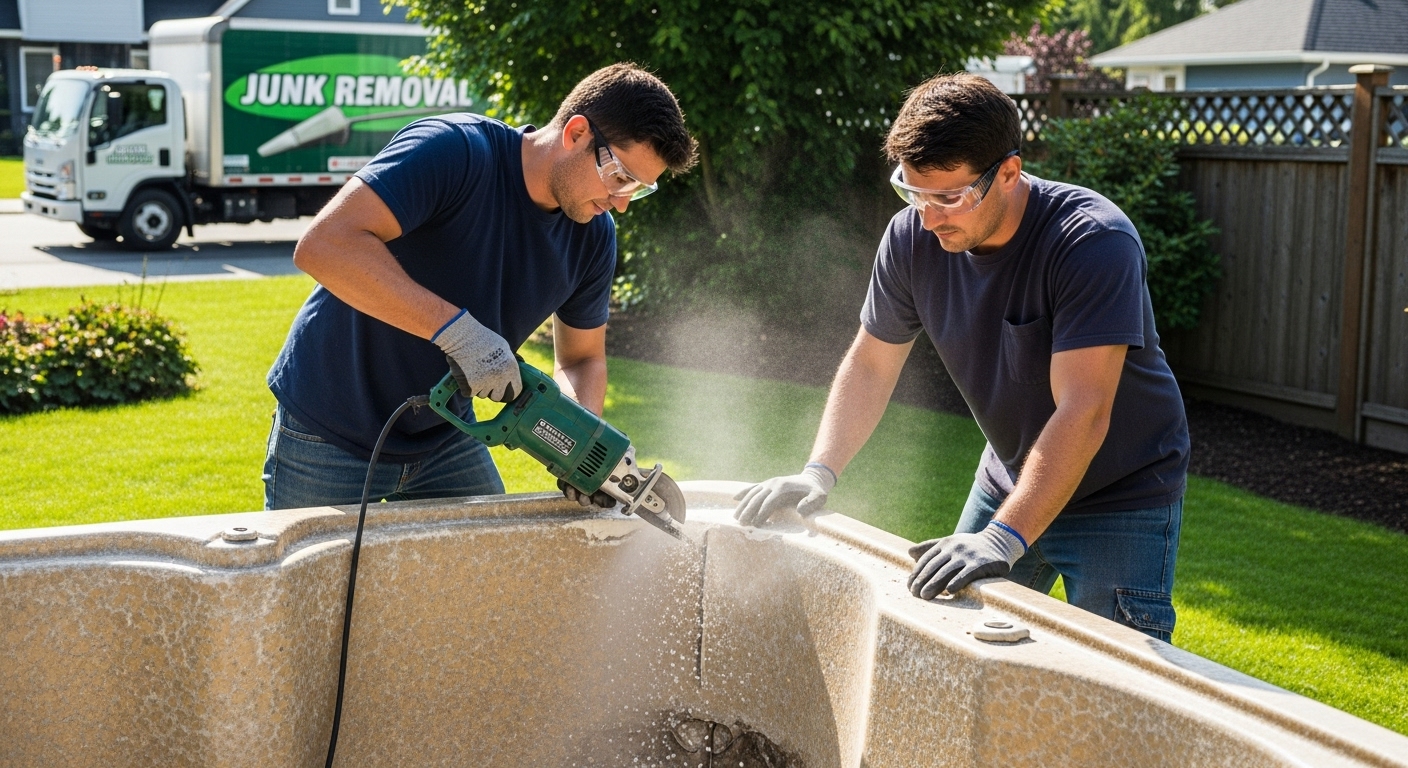
The whole process starts with proper preparation, which is honestly where a lot of DIY attempts go sideways. You’ve got to disconnect the power by turning off the dedicated circuit breaker at your main electrical panel. Here’s where Vancouver homeowners need to pay attention: BC building codes require that major electrical work, including 220V disconnections for hot tubs, be handled or inspected by licensed electricians. This isn’t just a suggestion – it’s actually a legal requirement that protects both you and any future buyers of your home.
Once the electrical is safely handled, there’s the drainage process. This isn’t as simple as pulling a plug and walking away. Hot tub water typically contains chlorine and other chemicals that need time to dissipate before disposal. Environmental regulations require allowing chlorine levels to drop for 3-5 days before draining, and you absolutely cannot dump this water into storm drains or natural waterways. The proper disposal method is directing the water to your sanitary sewer system when possible.
Professional removal teams come equipped with the specialized tools and experience to handle these steps efficiently. They’ll assess your site to determine the best removal approach, handle all electrical and plumbing disconnections safely, and disassemble the unit as needed. If your hot tub needs to be cut into manageable pieces – which is often the case for larger models or tight access situations – they have the right saws and safety equipment to do this without damaging your property or injuring anyone.
The timeline for professional removal is typically 2-4 hours from start to finish, including cleanup. Compare that to DIY attempts, which can stretch over multiple days and often require multiple trips to disposal facilities. Many Vancouver companies offer same-day service when you book before noon, making professional removal not just safer and more convenient, but often faster than doing it yourself.
Cost Breakdown: What to Expect for Vancouver Hot Tub Removal
Money talks, especially when you’re dealing with home improvement projects that weren’t exactly in your original budget. Understanding the cost structure for hot tub removal in Vancouver helps you make smart decisions and avoid those surprise expenses that seem to pop up with every home project.
Fraser Valley Junk Solutions starts their Vancouver hot tub removal services at $495, including dump fees and gas. That might sound steep at first, but when you break down everything included in professional service, the value becomes clearer. The national average for hot tub removal ranges from $150-$800, with most homeowners paying around $400 for standard removal jobs with moderate difficulty levels.
Several factors influence the final cost, and understanding these can help you get accurate quotes and avoid sticker shock. Size and weight are major considerations – hot tubs range from 400 pounds empty for smaller models up to 1,200 pounds for larger units. When filled with water, these weights jump to 2,000-5,500 pounds, which is why proper draining is so crucial before removal attempts.
Accessibility plays a huge role in pricing too. If your hot tub is easily accessible from the street with clear pathways, you’ll pay standard rates. But deck-integrated units or indoor installations can add 30-50% to the base cost due to the additional complexity and time required. Some companies charge extra “stairs fees” of $100-$125 for difficult access situations, so it’s worth mentioning any potential obstacles when getting quotes.
Location-specific costs in Vancouver include local disposal fees at transfer stations and recycling facilities. These fees are typically included in professional service quotes, but DIY removers need to factor them into their cost calculations. Labor costs for professional teams typically run $100-$200 per hour, which actually makes the flat-rate pricing offered by most removal companies quite competitive when you consider the time and expertise involved.
The hidden costs of DIY removal can add up quickly. Beyond tool rentals and disposal fees, there’s the potential for property damage if you’re not experienced with moving heavy objects through tight spaces. Medical expenses from injuries during DIY removal attempts can easily exceed professional service costs, making the investment in professional removal a smart financial decision for most homeowners.
DIY vs Professional Removal: Making the Smart Choice
The DIY question always comes up with home improvement projects, and hot tub removal is no exception. While it’s technically possible to remove a hot tub yourself,