
Vancouver Attic Insulation Upgrade: Removing Old Materials and Hazardous Debris Safely Before Installation
Thinking about upgrading your attic insulation but worried about what’s lurking up there? You’re absolutely right to be concerned – Vancouver homes built before 1990 often contain hazardous materials that require professional handling before any insulation work can begin.
Okay, real talk time! I learned this the hard way when I helped my neighbor tackle what we thought would be a simple weekend insulation project. Picture this: we’re up in her 1980s-built home’s attic, flashlights in hand, ready to yank out that old, saggy insulation when I spot these weird pebble-like chunks mixed in with the pink stuff. Thank goodness I’d done some research beforehand because those innocent-looking granules turned out to be vermiculite – potentially loaded with asbestos! We backed out of there faster than you can say “mesothelioma” and called in the pros.
Here’s the thing about Vancouver attic cleanouts before insulation upgrades – it’s not just about making room for the new stuff. The process involves navigating WorkSafeBC regulations, proper disposal requirements, and potentially dealing with hazardous materials that could seriously impact your health and wallet. Plus, with BC Hydro offering rebates up to $1,200 for energy-efficient upgrades, doing this right can actually pay off big time. But mess it up with a DIY disaster, and you’re looking at health risks, legal headaches, and missing out on those sweet rebate dollars.
The moisture-heavy Vancouver climate creates its own unique challenges too – think mold growth, pest infestations, and contamination issues that go way beyond just old insulation. Whether you’re dealing with a century-old character home or a 1980s rancher, understanding what’s involved in safe material removal can save you from turning a home improvement win into a major nightmare.
Key Outtakes:
- Professional attic cleanout is essential for homes built before 1990 due to potential asbestos contamination in vermiculite and other insulation materials
- Proper removal and disposal can qualify homeowners for up to $1,200 in BC Hydro insulation rebates when upgrading to energy-efficient materials
- Vancouver requires double-bagging and specialized disposal procedures for hazardous materials at approved facilities
- DIY removal of contaminated insulation poses serious health risks and may violate WorkSafeBC safety protocols
- Energy-efficient attic upgrades can reduce heating and cooling costs by up to 15% annually
Identifying Hazardous Materials in Your Vancouver Attic
Before you even think about touching that old insulation, you need to know what you’re dealing with. This isn’t like sorting through old Christmas decorations – we’re talking about potentially life-threatening materials that require serious respect and professional handling. Understanding what to look for can literally save your life, and knowing when to stop and call the experts is crucial for Vancouver homeowners.
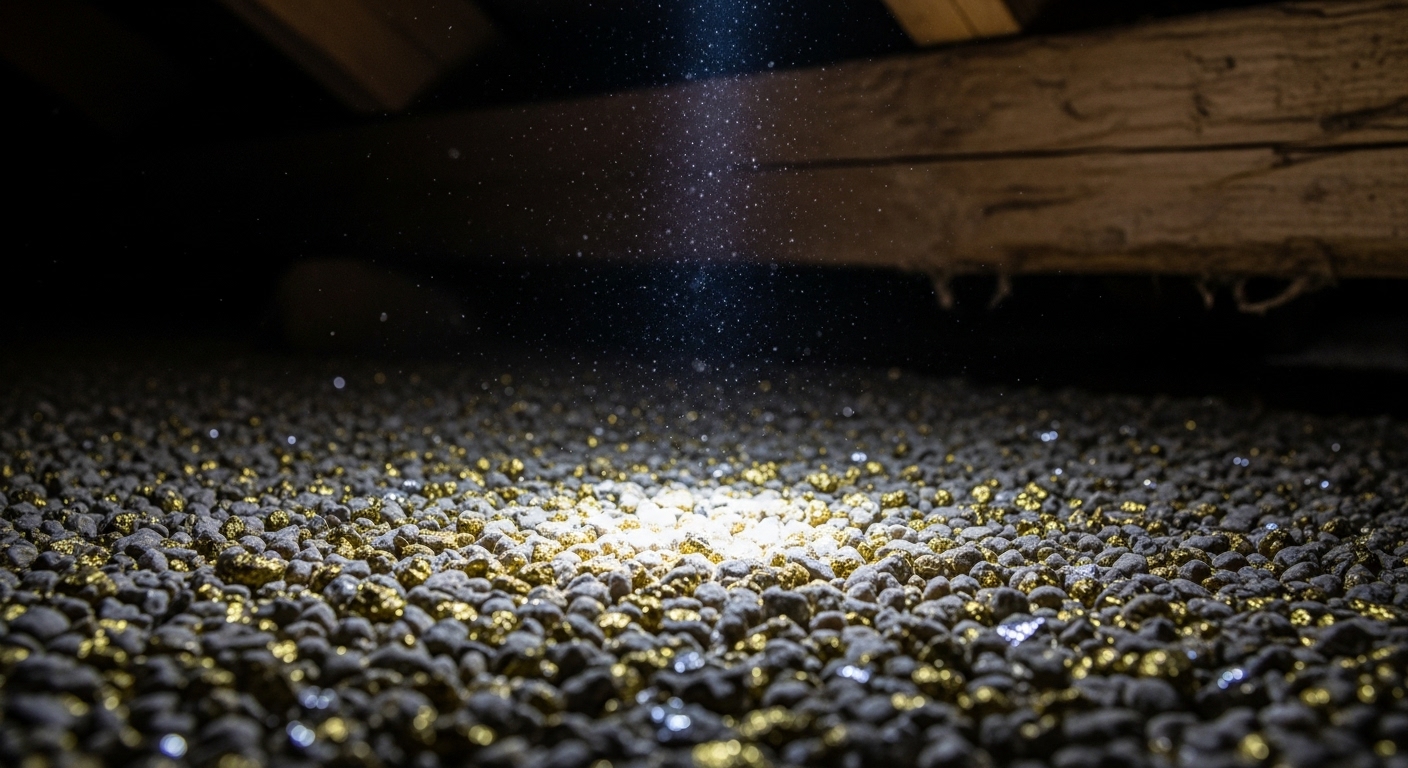
Let’s start with the big scary one – vermiculite insulation. This stuff looks deceptively harmless, appearing as small, pebble-like granules that are usually light-brown, gray, or gold colored with shiny flakes and accordion-like pieces. You’ll typically find it as loose-fill insulation that was poured between wall cavities and attic joists. The problem? Most vermiculite insulation contains asbestos, especially if it came from the Libby, Montana mine that supplied about 70% of the world’s vermiculite until 1990.
Here’s where the timeline gets critical for Vancouver homes. Buildings constructed before the early 1990s have a high likelihood of containing asbestos-contaminated materials, particularly in insulation products. This isn’t just vermiculite we’re talking about – asbestos was used in pipe wrap, duct insulation, and even some batt insulation products. The construction boom in Vancouver during the 1970s and 80s means tons of homes in neighborhoods like Kitsilano, Mount Pleasant, and East Van potentially have this stuff lurking upstairs.
WorkSafeBC doesn’t mess around with asbestos exposure – they require certified testing before any renovation or demolition work begins on pre-1990 buildings. This means you can’t just eyeball some suspicious insulation and decide it’s safe to remove. Professional testing involves trained inspectors collecting samples for laboratory analysis, and trust me, this small upfront cost beats the alternative of accidentally releasing asbestos fibers into your home’s air system.
The health risks are no joke either. Asbestos fibers become airborne when disturbed, breaking down into particles that are 1,200 times thinner than human hair. These microscopic fibers can lodge in your lungs and cause respiratory diseases, lung cancer, and mesothelioma – diseases that can take decades to develop but are often fatal once they appear. Even brief exposure during a weekend DIY project can have long-term consequences.
What makes Vancouver attics particularly tricky is our specific climate conditions. The moisture from our rainy seasons creates additional contamination risks beyond just asbestos. You might find mold growth, pest infestations from rodents or insects, and bacterial contamination that requires specialized assessment alongside hazardous material testing. I’ve seen attics where raccoons have been living for months, leaving behind waste and damaged insulation that creates its own health hazards.
Professional vs. DIY Attic Cleanout: Why This Isn’t a YouTube Project
I get it – watching renovation shows and YouTube tutorials makes everything look doable, and the idea of saving money on labor costs is tempting. But attic cleanout involving hazardous materials is one of those projects where the DIY approach can literally cost you your health, your home’s value, and potentially land you in legal trouble with WorkSafeBC regulations.
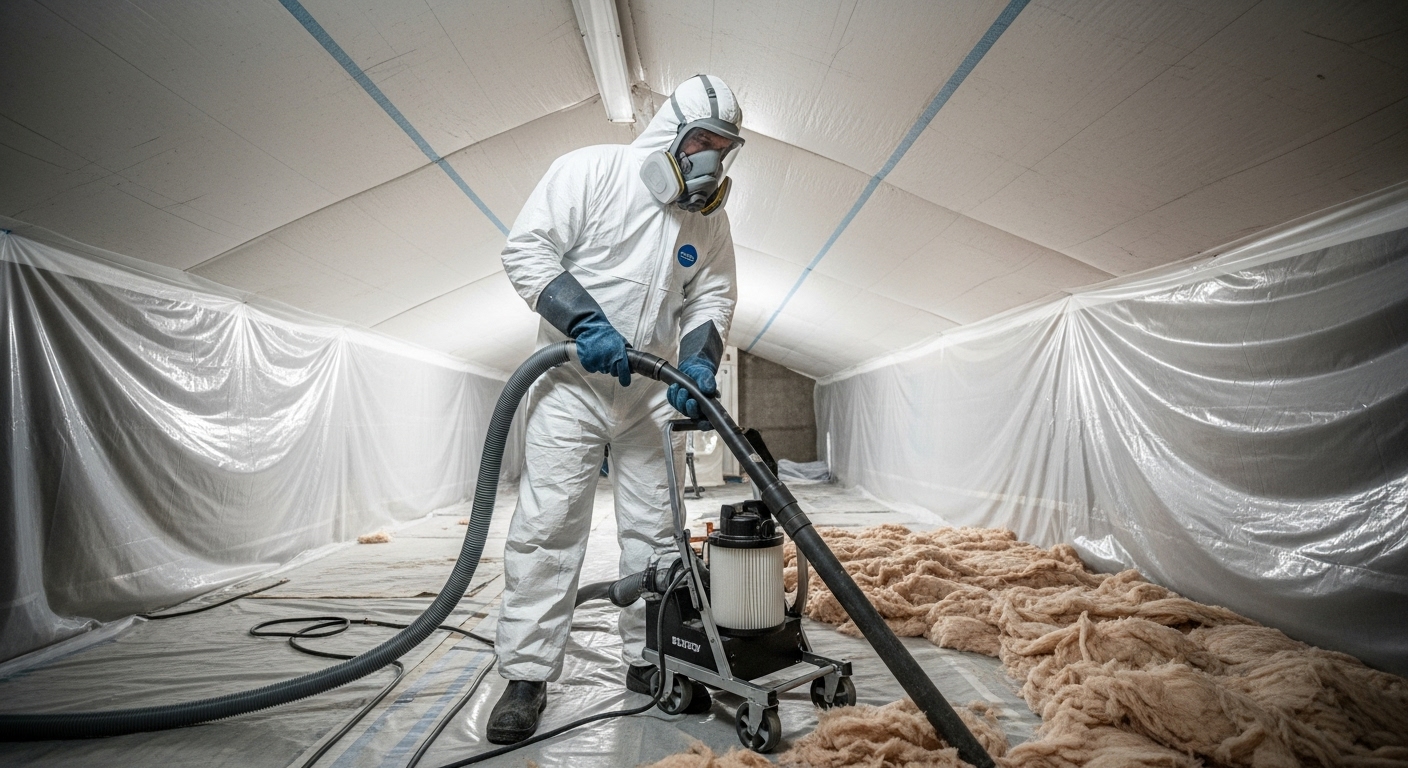
Let’s talk about what proper safety equipment actually looks like for this kind of work. We’re not talking about a basic dust mask from the hardware store – manual removal procedures in attics require powered air purifying respirators with NIOSH 100 Series filters, full-body protective clothing, proper footwear, and access to shower decontamination facilities. Professional contractors have specialized equipment that creates negative pressure environments to prevent fiber migration throughout your home.
WorkSafeBC regulations are incredibly specific about asbestos handling procedures. They prohibit pressure spraying equipment for asbestos removal, require specific containment protocols, and mandate proper disposal procedures that include documentation and tracking. Violating these regulations isn’t just about getting a fine – you could face serious legal liability if family members or neighbors are exposed to contaminated materials due to improper handling.
The insurance and liability issues alone should make you think twice about DIY asbestos removal. Your standard homeowner’s insurance policy typically excludes coverage for asbestos-related damages or health claims. Professional contractors carry specialized insurance for hazardous material handling, including coverage for any accidental exposure or property damage. If you mess up a DIY removal and contaminate your home or neighboring properties, you’re looking at potentially massive out-of-pocket costs for professional remediation.
From a cost-benefit perspective, professional removal includes services that far exceed just hauling away old insulation. Quality contractors provide air quality testing, proper disposal with all required documentation, containment systems that protect the rest of your home, and warranties on their work. They also understand the coordination required between hazardous material removal and insulation installation, ensuring your project stays on track for those BC Hydro rebates.
Here’s something most people don’t consider – Vancouver’s stringent environmental regulations require specific disposal documentation and tracking that only certified professionals can provide. The paperwork trail for hazardous waste disposal isn’t something you can figure out on the fly, and improper disposal can result in fines and legal complications that make professional services look like a bargain in comparison.
Navigating Vancouver’s Disposal and Regulatory Requirements
Welcome to the fun world of hazardous waste disposal regulations! This is where things get seriously bureaucratic, but understanding these requirements can save you major headaches and legal issues down the road. Vancouver’s disposal system has specific protocols that differ significantly from regular construction waste, and getting this wrong can be both expensive and legally problematic.
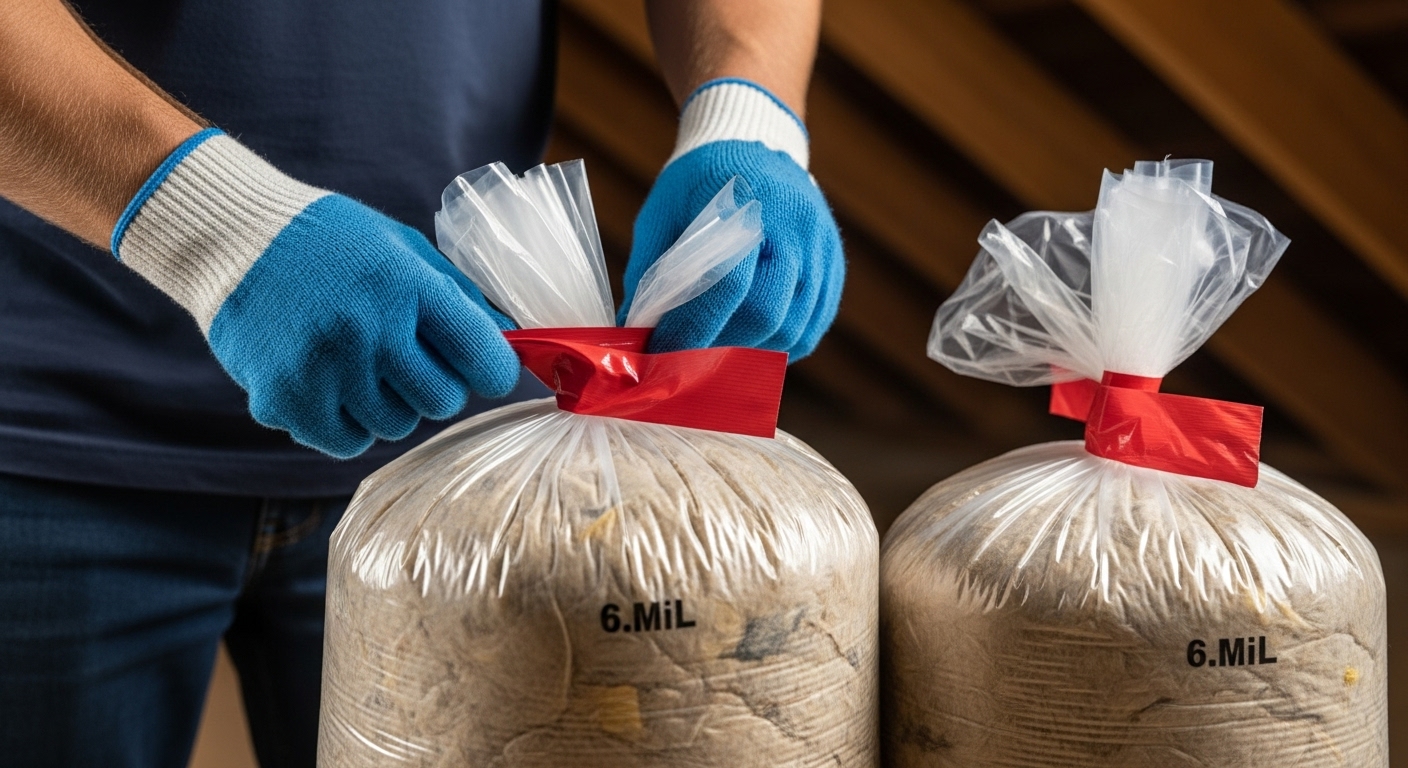
Let’s break down the double-bagging requirements that seem simple but have specific technical specifications. All asbestos waste must be contained in non-woven plastic bags that are minimum 0.15mm thick – that’s about 6-mil thickness for reference. Each bag must be individually sealed with goose-neck knots and reinforced with duct tape, an

